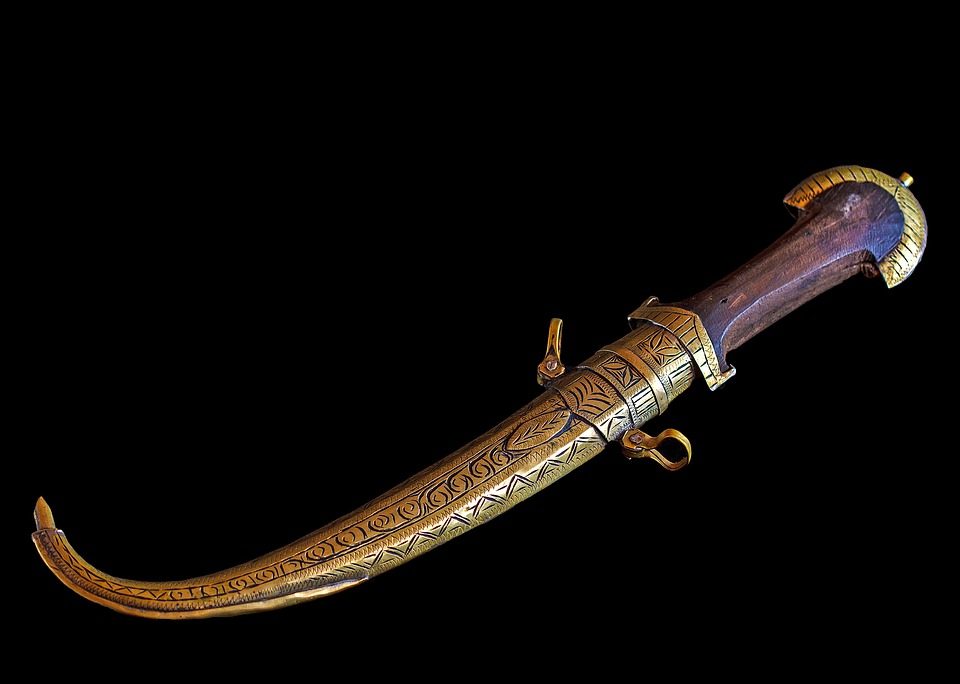
Historic knives have a rich history and have played a significant role in human civilization as weapons, tools, and iconic cultural symbols. Many cultures have a different view on knives and their function in society: take the Swiss, for example: a knife, to them, proved to be both a weapon and a useful tool. In Yemen, a knife symbolized the transition from childhood to adulthood. In different nation’s military, many knives denoted an officer’s rank and standing.
historic knives from around the world
Explore the rich history of knives from ancient civilizations to modern times with this informative article. From the Egyptian Khopesh to the Japanese Tanto, each knife tells a unique story of its culture and craftsmanship. Discover the significance of the Roman Gladius, the Viking Seax, and other iconic blades from Europe, as well as the Maasai Lion’s Tooth and the Aztec Macuahuitl from Africa and the Americas. Join us on a journey through time as we explore the fascinating world of historic knives.
Key Takeaways:
- Explore the rich history of knives used by ancient civilizations like the Egyptians, Romans, and Greeks. These knives not only served as tools but also held cultural significance.
- Journey to Asia and discover the unique designs and uses of knives such as the Japanese Tanto, Chinese Dao, and Indian Kukri. These knives reflect the diversity of Asian cultures.
- Travel through Europe and learn about the distinct styles of knives, including the Viking Seax, Medieval Dagger, and Renaissance Ballock Dagger. These knives are a testament to the evolution of European craftsmanship.
Knives from Ancient Civilizations
Knives from ancient civilizations hold immense historical and cultural significance, reflecting the craftsmanship and warfare practices of bygone eras.
Throughout history, knives have been instrumental tools in various aspects of society, especially in regions like Egypt, the Middle East, and during the Bronze Age. In Egypt, knives played a vital role in religious rituals, with priests using them for sacrifices and ceremonies. Similarly, in the Middle East, these tools were not only essential for survival but also symbolized power and authority. In the Bronze Age, knives evolved into both practical instruments for everyday tasks and exquisite works of art, showcasing intricate designs and skilled craftsmanship. Notably, figures like Tutankhamun are often depicted with ceremonial knives, highlighting the deep-rooted cultural significance of these objects.
Egyptian Khopesh
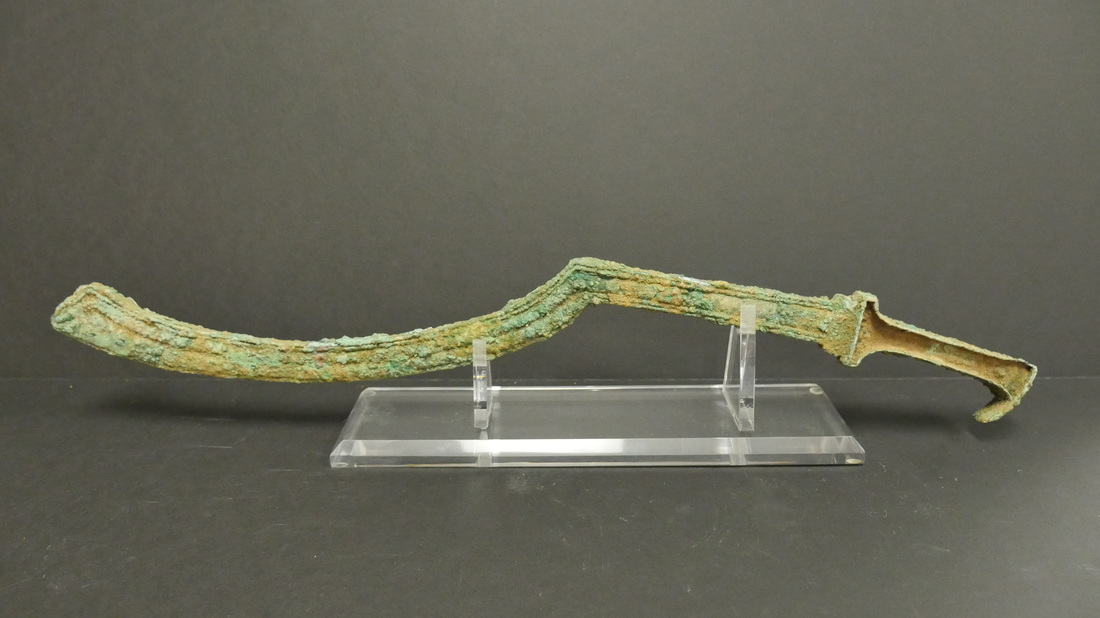
The Egyptian Khopesh is a unique sword with a curved blade that symbolizes power and authority in ancient Egyptian culture.
Originating in the Bronze Age, the Khopesh was a versatile weapon that played a significant role in Egyptian warfare. Its distinctive shape with a curved edge allowed for swift and effective strikes in close combat. Beyond its practical use, the Khopesh carried symbolic importance in ceremonial contexts, representing the prowess and divine protection of the wielder.
Notable pharaohs like Tutankhamun were often depicted brandishing the Khopesh in various artworks and tomb inscriptions, underscoring its association with royalty and leadership. This iconic weapon’s influence transcended its military utility, shaping the artistic motifs of ancient Egypt and inspiring the design of subsequent sword types.
Roman Gladius
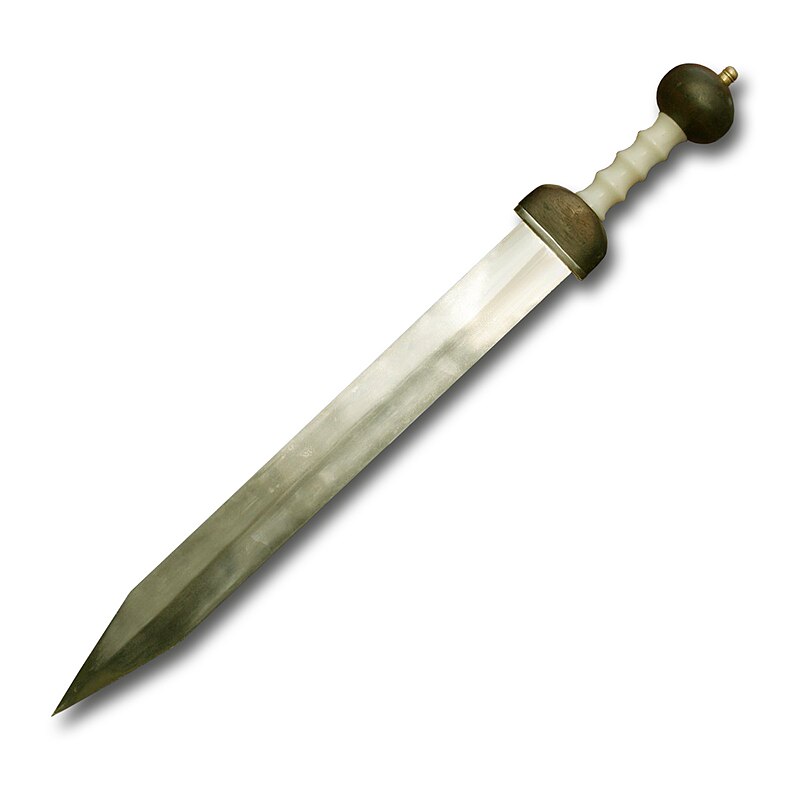
The Roman Gladius, a short sword wielded by Roman soldiers, was instrumental in the success of Roman conquests and military campaigns.
The design of the Roman Gladius was a perfect blend of functionality and efficiency. Its double-edged blade, typically around 18-24 inches long, allowed for both cutting and thrusting motions, making it incredibly versatile in close-quarters combat. The gladius’s compact size and weight made it agile and easy to handle in the chaos of battle, giving Roman soldiers a significant advantage over opponents with longer weapons. This lethal weapon became synonymous with the discipline and prowess of Roman warriors across various battlefields, from the conquest of Gaul to the iconic clashes in the sands of the Colosseum.
Greek Kopis

The Greek Kopis, a distinctive curved blade used by ancient Greek warriors, exemplifies the martial traditions and combat prowess of Hellenic civilization.
The Kopis originated in Bronze Age Greece and evolved into a formidable weapon during the Archaic and Classical periods. Its design featured a forward-curving blade with a single cutting edge, allowing for powerful slashing attacks while maintaining a strong and durable structure.
Renowned for its effectiveness in close-quarters combat, the Kopis played a crucial role in Greek military tactics, enabling soldiers to deliver devastating blows to opponents in melee engagements. Its popularity among warriors signifies not only its practical utility but also its symbolic significance as a symbol of Greek martial prowess.
Knives from Asia
Asia has a rich history of knife craftsmanship, with each region producing unique blades that reflect cultural heritage and martial traditions.
One of the most renowned knives from Asia is the Japanese Tanto, a short dagger with a reputation for exceptional sharpness and precision. Historically, the Tanto was carried by the samurai as a secondary weapon and symbol of status. It embodies the Japanese concept of bushido, the way of the warrior, emphasizing loyalty, honor, and self-discipline.
Moving on to the Chinese Dao , this single-edged saber holds deep cultural significance, often associated with martial arts and traditional folklore in Chinese history. The Dao’s curved blade and versatile design made it a favored weapon among soldiers and martial artists for both close combat and slashing movements.
Japanese Tanto

The Japanese Tanto, a traditional dagger with a sharp blade, embodies the precision and artistry of Japanese sword-making techniques.
The history of the Japanese Tanto dates back to the Heian period (794-1185), where it served as a symbol of social status and loyalty among the samurai class.
When diving into the craftsmanship of the Tanto, one can appreciate the intricate blade forging techniques that have been passed down through generations, resulting in blades known for their exceptional sharpness and durability.
Not only was the Tanto a practical weapon used for personal defense, but it also held a significant place in traditional rituals and ceremonies, emphasizing the honor and code of conduct followed by the samurai.
Chinese Dao
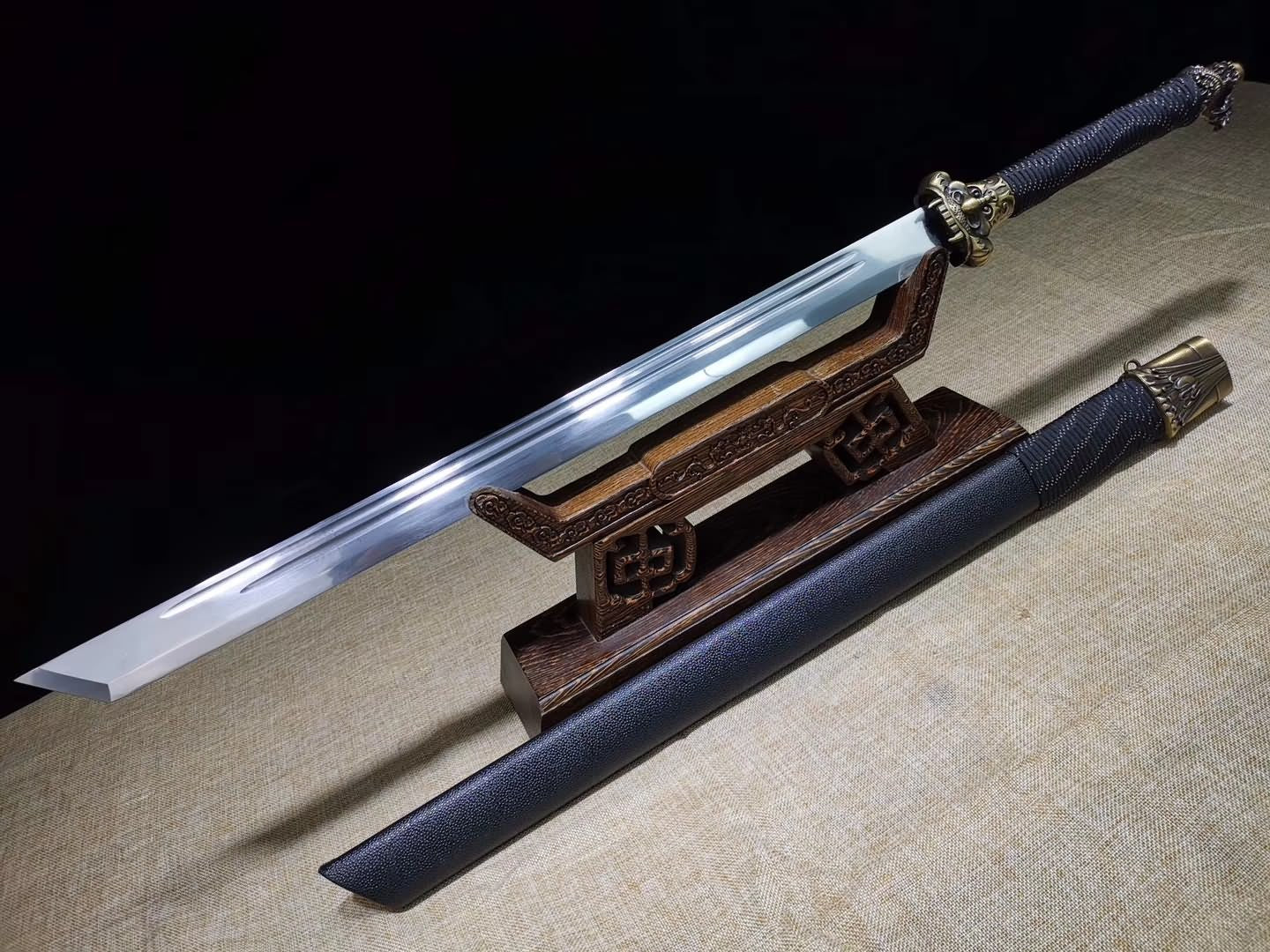
The Chinese Dao, a versatile single-edged sword, is an iconic weapon in Chinese martial arts and historical battles.
The design features of the Chinese Dao, characterized by its single edge and slight curve, are optimized for both slashing and thrusting motions in combat, making it a formidable weapon in skilled hands. Its combat effectiveness lies in its balance, allowing for swift strikes and quick maneuvers.
Historically, the Dao has been wielded by legendary Chinese warriors like Guan Yu, embodying honor, loyalty, and strength.
Indian Kukri

The Indian Kukri, a curved knife with a distinctive shape, is a symbol of valor and utility in Indian culture and military history.
Renowned for its deadly effectiveness in combat, the Kukri has been wielded by Gurkha warriors with precision and skill for centuries. Its design, featuring a curved blade that widens into a pointed tip, allows for powerful chopping and slashing movements, making it a formidable weapon on the battlefield.
Beyond its practical combat applications, the Kukri holds deep cultural significance, often being passed down through generations as a revered heirloom symbolizing bravery and tradition. It plays a vital role in various Indian rituals and ceremonies, reflecting its dual role as a tool for both protection and spiritual significance.
Knives from Europe
European knives exhibit a wide range of designs and functionalities, reflecting the diverse cultures and historical contexts of the continent.
One iconic European knife is the Viking Seax, characterized by its single-edged blade and often used as a weapon of war and everyday tool during the Viking Age. The Medieval Dagger, prevalent in the Middle Ages, featured a double-edged blade and served both military and ceremonial purposes. Moving into the Renaissance period, the Ballock Dagger gained popularity with its distinctive hilt shape and intricate engravings, symbolizing wealth and status.
European knife-making techniques evolved alongside advancements in metallurgy, leading to sharper and more durable blades. The design intricacies of these knives often reflected the craftsmanship skills of European artisans, with embellishments and engravings showcasing their artistry.
The symbolic meanings attributed to European knives varied across cultures and time periods. For example, the Viking Seax represented strength and courage, while the Ballock Dagger in Renaissance art symbolized elegance and refinement.
Historical events such as wars and trade routes significantly influenced the design and development of European knives. Cultural exchanges between regions introduced new techniques and styles, shaping the diverse landscape of European knife craftsmanship seen today.
Viking Seax
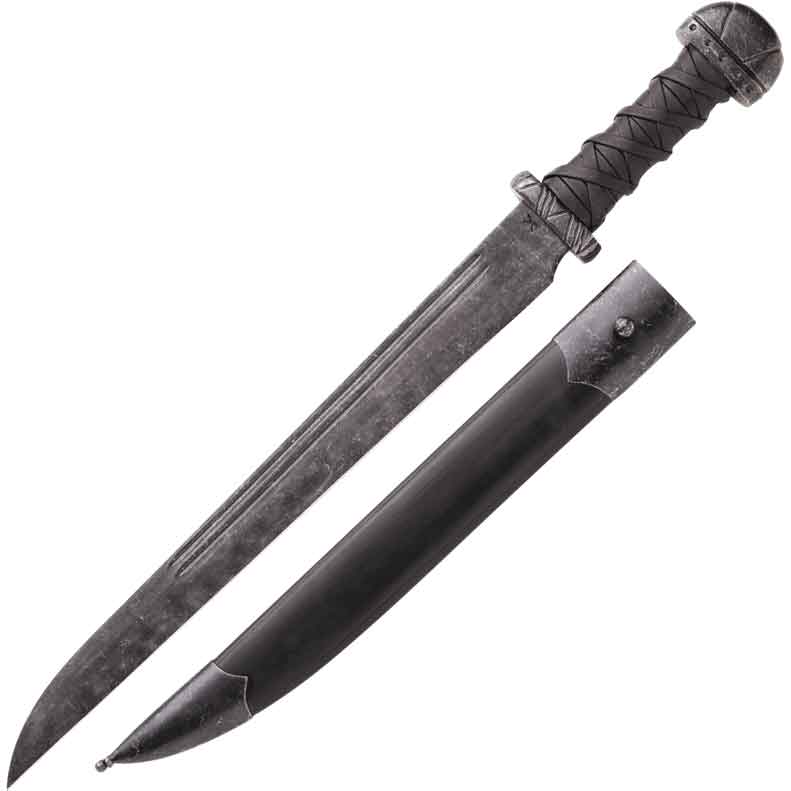
The Viking Seax, a single-edged knife carried by Norse warriors, symbolizes the martial prowess and seafaring traditions of the Vikings.
The Viking Seax holds a pivotal role in Viking history, with its craftsmanship reflecting the intricate artistry skills of Norse smiths. These knives were not merely tools for combat but also everyday essentials for the Vikings, showcasing their practicality and reliance on quality weapons in their daily lives on land and sea. The design of the Seax also varied, from small utility knives to larger weapons used in battles, highlighting its versatility in different contexts.
Medieval Dagger
The Medieval Dagger, a versatile sidearm wielded by knights and nobles, represents the chivalric code and personal defense practices of the Middle Ages.
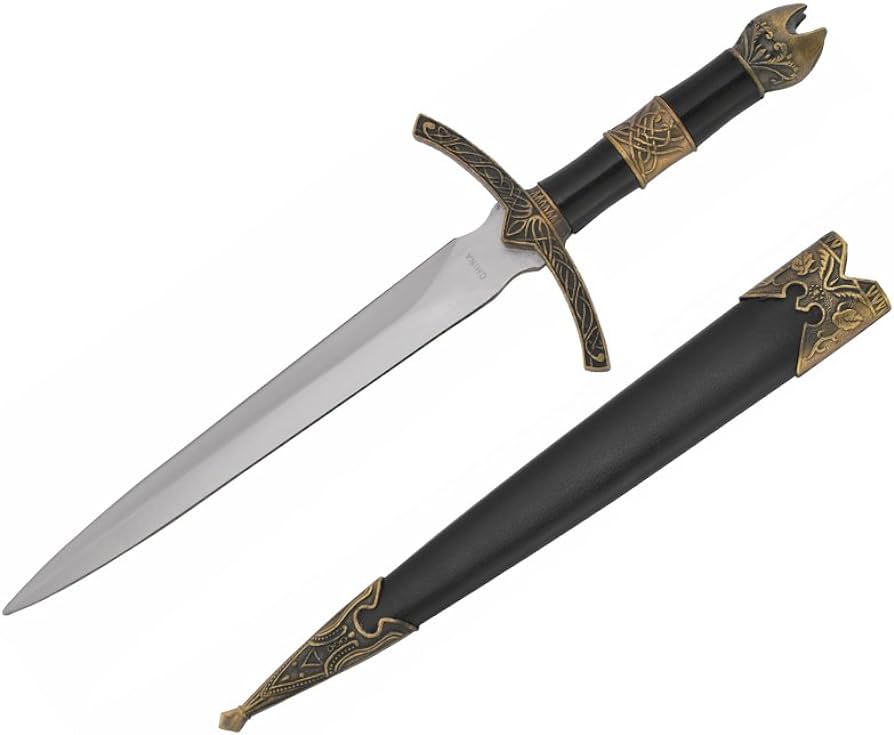
During the Middle Ages, the dagger held a significant role as a secondary weapon to the sword, especially in close combat situations where a shorter blade was more feasible. It was not only a tool of offense but also a symbol of honor and prestige, often adorned with intricate engravings and precious stones.
In courtly settings, carrying a dagger was not just a matter of self-defense but also a display of status and refinement. Etiquette dictated how and when it could be worn, reflecting the complex social hierarchy of the time.
Renaissance Ballock Dagger
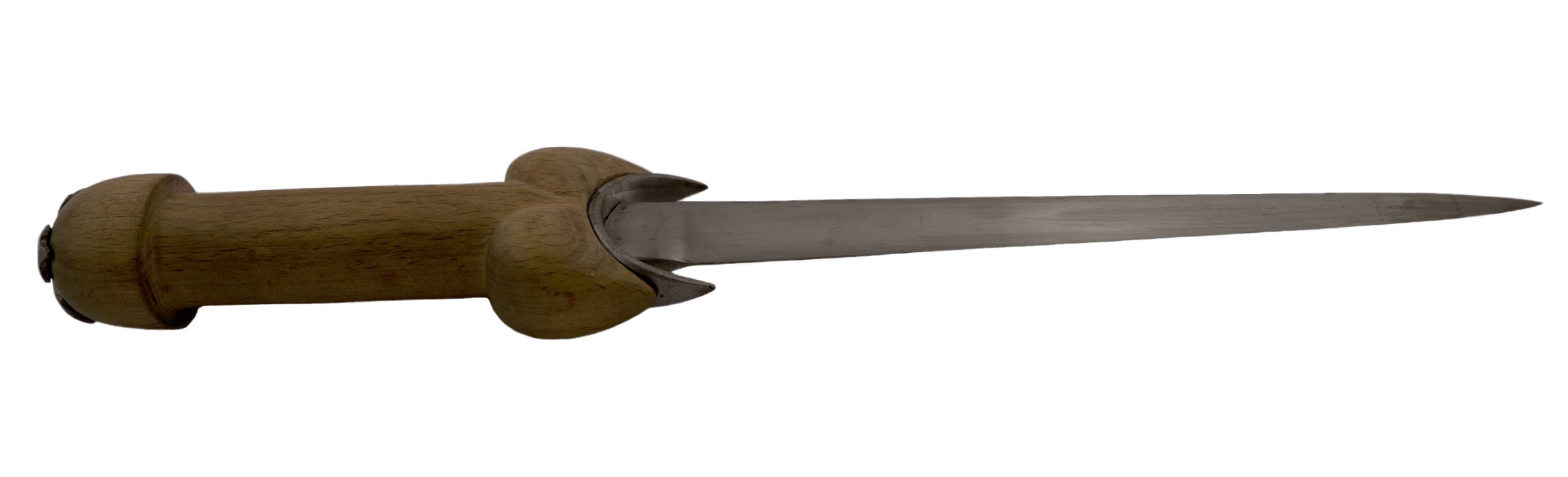
Bollock dagger XV century type replica on white background
The Renaissance Ballock Dagger, characterized by its distinctive hilt shape, exemplifies the artistic and functional fusion of Renaissance craftsmanship.
These daggers were not merely utilitarian tools; they were intricate works of art that showcased the skill and creativity of master craftsmen. The bulbous shape of the hilt, resembling male genitals, gave rise to the name ‘ballock dagger’, adding an element of whimsy to an otherwise serious weapon.
While serving practical purposes in combat, these daggers also held symbolic significance in Renaissance society. Worn by nobility and wealthy merchants, they were not just weapons but status symbols, reflecting the owner’s social standing and sophistication.
Knives from Africa
African knives embody the rich traditions and warrior cultures of the continent, showcasing diverse designs and utilitarian functionalities.
These blades, such as the renowned Maasai Lion’s Tooth, Zulu Iklwa, and Swahili Panga, represent more than just cutting tools. They play pivotal roles in African societies, symbolizing strength, courage, and tradition. Among the Maasai, the Lion’s Tooth blade reflects a deep connection to nature and the spirit of the lion, a revered symbol of leadership.
- Similarly, the Zulu Iklwa, with its uniquely shaped spear-like design, holds cultural significance as a weapon used by warriors in battle, embodying honor and bravery on the battlefield.
- The Swahili Panga, on the other hand, is not just a tool for farming or everyday tasks but also carries symbolic meanings related to protection and heritage, passed down through generations.
The craftsmanship behind these knives is impeccable, with intricate engravings and designs that tell stories of the past and present. Whether used in warfare practices, cultural ceremonies, or daily tasks, African knives stand as testaments to the rich heritage and skills of the continent’s diverse peoples.
Maasai Lion’s Tooth Sword
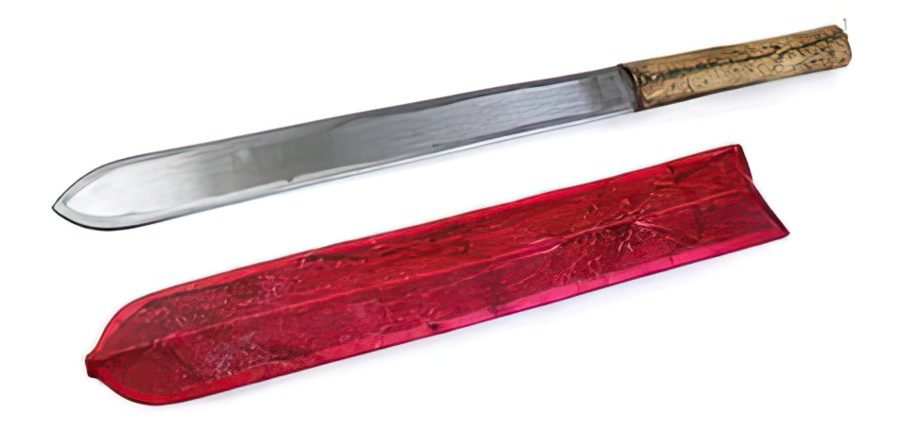
The Maasai Lion’s Tooth, a ceremonial knife of the Maasai warriors, represents bravery and traditional values within Maasai culture.
It is meticulously crafted by skilled artisans using age-old techniques, each intricate detail symbolizing a unique aspect of Maasai heritage and beliefs.
- During Maasai rites of passage, the Lion’s Tooth plays a pivotal role in marking significant life milestones, embodying the courage and resilience expected of Maasai warriors.
- Adorned with vibrant beads and leather embellishments, the knife is not just a tool but a treasured artifact, passed down through generations as a symbol of lineage and tribal identity.
In Maasai folklore, stories abound of legendary warriors wielding the Lion’s Tooth in battles against adversaries, underscoring its mythical significance in the collective consciousness of the Maasai people.
Zulu Iklwa Spear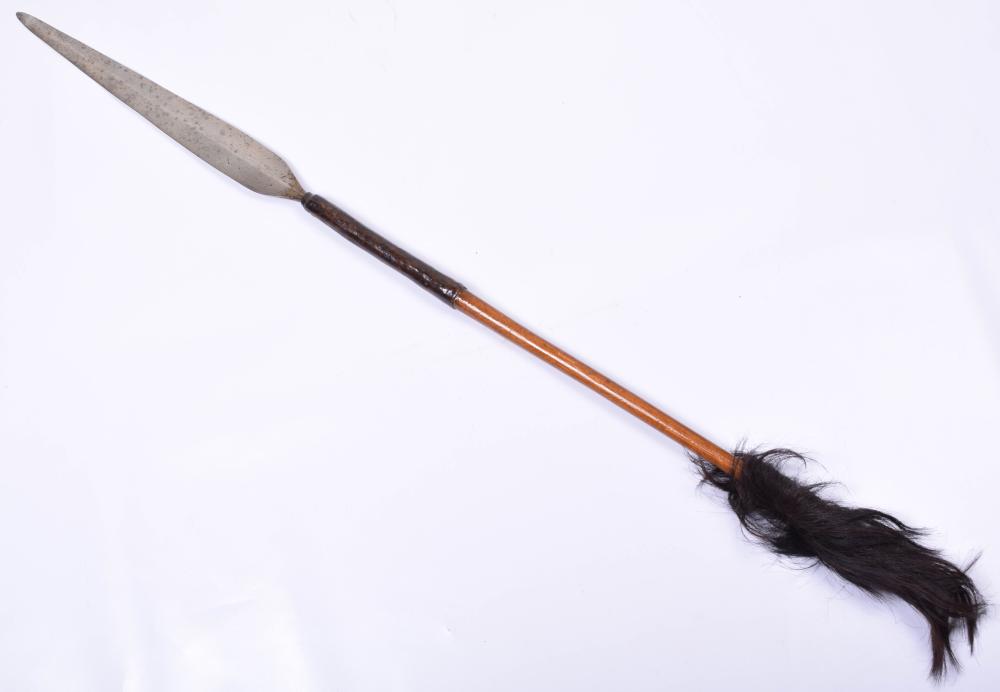
The Zulu Iklwa, a short stabbing spear with a broad blade, is an iconic weapon of Zulu warriors, symbolizing courage and battlefield prowess.
Originating in the early 19th century during the reign of King Shaka, the Iklwa revolutionized Zulu warfare tactics. Its distinctive design allowed for swift, lethal strikes in close combat, giving Zulu warriors the upper hand against adversaries. The blade’s unique shape made it ideal for thrusting and stabbing motions, ensuring quick takedowns on the battlefield.
The Iklwa held deep symbolic meaning within Zulu culture, embodying strength, honor, and bravery. Its wielders were regarded with respect and awe, revered for their skill in using this weapon to protect their people and land.
Swahili Panga

The Swahili Panga, a versatile machete-like knife, is a common tool and weapon in Swahili coastal communities, reflecting the blend of utility and craftsmanship.
The Swahili Panga holds great significance in the daily lives of the coastal residents, serving multiple purposes ranging from cutting through dense vegetation in agricultural practices to being a symbol of protection and self-defense.
The craftsmanship of the Swahili Panga is remarkable, with each blade intricately designed and sharpened to perfection, making it not just a practical tool but also a piece of art.
In Swahili coastal traditions, the Panga is often seen as a representation of resilience and tradition, passed down through generations as a symbol of cultural heritage and artisanal pride.
Knives from the Americas
The knives from the Americas showcase indigenous craftsmanship and survival skills, reflecting the diverse cultural heritage and resourceful adaptation of Native American and Mesoamerican civilizations.
Among these unique blades, the Inuit Ulu stands out for its ingenious design, with a curved blade attached to a handle for versatile use in skinning, cooking, and shaping materials.
The Native American Obsidian Knife, crafted from volcanic glass, served not only as a cutting tool but also held spiritual significance in rituals, symbolizing strength and protection.
Similarly, the Aztec Macuahuitl, embedded with sharpened obsidian blades, was a fearsome weapon in battle that demonstrated the Aztec’s mastery in weapon-making and strategic warfare.
Inuit Ulu Knife
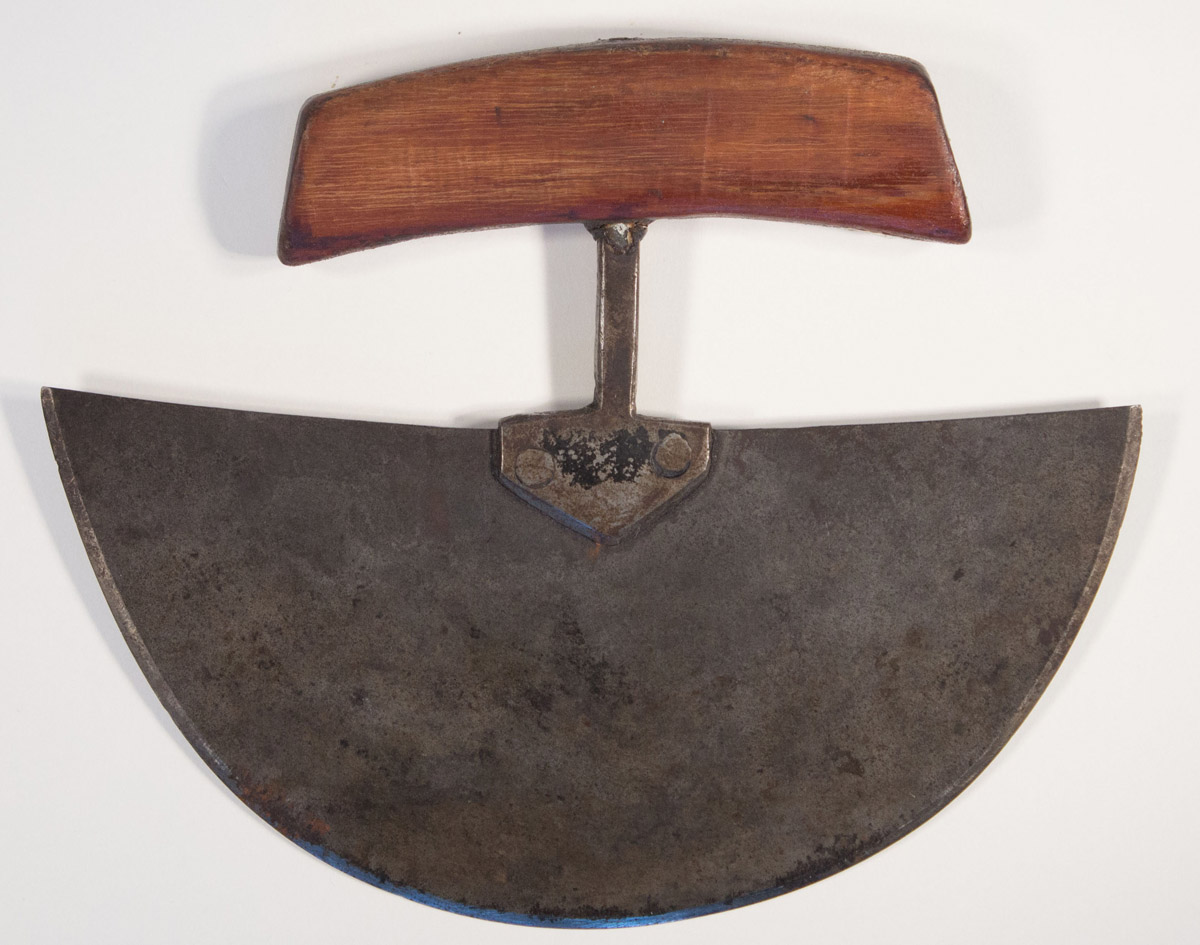
The Inuit Ulu, a traditional curved knife used by Inuit peoples, embodies a harmonious relationship with nature and serves as a versatile tool for survival.
Designed with a distinctive semicircular blade, the Ulu’s ergonomic handle allows for efficient cutting of meat, fish, and vegetables, reflecting the deep connection Inuit people have with the land and wildlife around them. Crafted with intricate carvings and often passed down through generations, these knives hold immense cultural significance, symbolizing unity, collaboration, and resourcefulness.
Its multipurpose nature extends beyond culinary uses to include intricate skinning and crafting tasks, showcasing the ingenuity and adaptability of Inuit craftsmanship. The Ulu plays a vital role in Inuit ceremonies, embodying spiritual reverence and storytelling traditions that have been integral to Inuit communities for centuries.
Native American Obsidian Knife
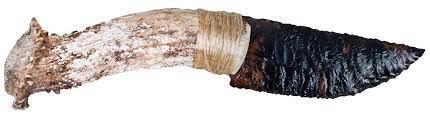
The Native American Obsidian Knife, crafted from volcanic glass, reflects the ingenuity and resourcefulness of Native American artisans in creating sharp and durable cutting tools.
Obsidian, a natural glass formed from volcanic lava, possesses unique qualities that make it an ideal material for crafting knives. The creation process involves shaping and chipping the obsidian into a sharp blade that rivals even modern steel knives in sharpness.
These knives were essential tools for hunting, allowing for precise cuts and efficient skinning of animals. Along with their practical uses, the Obsidian Knives also held great symbolic significance in Native American cultures, often associated with protection, healing, and ceremonial practices.
Aztec Macuahuitl
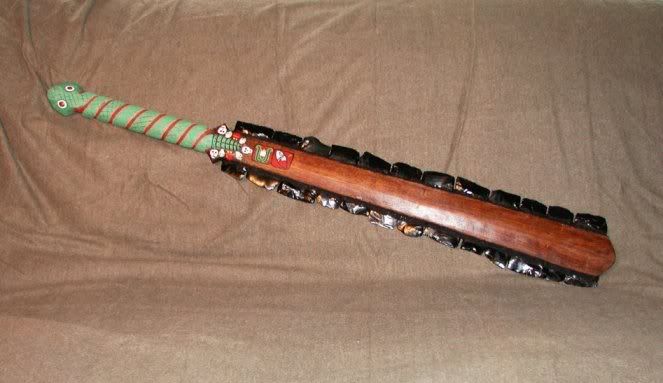
The Aztec Macuahuitl, a wooden club embedded with obsidian blades, combines the strength of wood and the sharpness of obsidian to create a deadly weapon in Aztec warfare.
Due to its innovative design, the Macuahuitl proved to be a versatile tool both in ceremonial rituals and on the battlefield. Its effectiveness in combat was unmatched, as the obsidian blades could easily slice through flesh and bone, inflicting devastating injuries. This weapon was not only practical but also held deep symbolic significance within Aztec culture, representing power, honor, and warfare prowess. The Macuahuitl’s presence in Aztec art and historical records further solidifies its central role in Mesoamerican society and warfare strategies.
The tradition these blades began is carried on by makers working today. You can browse the custom knives currently for sale in our collection.
Read more about historic knives, world renowned blade masters and knife collecting from our blogs.
January 17, 2019