The knife collecting community is fascinating and diverse, appealing to collectors of all backgrounds.
We will explore the benefits of knife collecting, the different types of knife collectors, and the value and rarity of knives.
Delve into the factors that make knives collectible, popular types of collector knives, and tips for building and caring for your collection.
Whether you are a seasoned collector or just starting out, this article will provide valuable insights into the world of knife collecting.
Key Takeaways:
- The world of knife collecting offers a diverse range of knives, from historical to modern designs, that can appeal to any collector’s preferences
- The community aspect in knife collecting provides a supportive and knowledgeable environment for collectors to network, learn, and share their passion
- With proper care and knowledge, a knife collection can increase in value and become a valuable investment for the future
The World of Knife Collecting

Knife collecting is a fascinating hobby that attracts individuals with a passion for blades, history, craftsmanship, and community. The world of knife collecting offers a unique blend of aesthetics, functionality, and artistry that appeals to enthusiasts of all types.
For many collectors, the thrill lies in the historical significance of each blade, tracing back to different eras and cultures. Whether it’s the traditional Japanese katana, the versatile Swiss Army knife, or a custom-made Damascus steel piece, each knife tells a story.
The craftsmanship involved in creating these works of art adds to their allure, with intricate designs and techniques passed down through generations. The sense of community among knife collectors fosters camaraderie, with events such as blade shows and conventions providing platforms for enthusiasts to connect, trade, and showcase their prized possessions.
Introduction to Knife Collecting
An introduction to knife collecting delves into the allure of blades, the sense of community among collectors, and the appreciation for the history and craftsmanship behind each knife.
From traditional pocket knives to modern tactical blades, the world of knife collecting offers a vast array of choices for enthusiasts. Each knife tells a unique story through its design, materials used, and the techniques applied during its creation.
Collectors often find themselves drawn not only to the functionality of knives but also to the artistry and skill required to produce these tools. It’s not just about amassing a collection but also about understanding the cultural significance and evolution of different knife styles over time.
Benefits of Knife Collecting
Engaging in knife collecting offers enthusiasts a range of benefits, including the appreciation of craftsmanship, the sense of community within the collector’s circle, and the potential for value appreciation over time.
When looking into the world of knife collecting, individuals often find themselves captivated by the intricate details and exquisite workmanship that go into creating each blade. Every knife tells a story through its design, materials, and the skill of the maker, making each piece a unique piece of art. Collectors take pride in curating their collections as a form of personal expression and connection to history.
The community aspect of knife collecting is a key draw for many enthusiasts. Whether through online forums, local clubs, or attending knife shows, collectors share their passion, knowledge, and experiences with like-minded individuals. This shared interest creates bonds that go beyond the mere exchange of knives; it fosters friendships and a sense of belonging.
One of the fascinating aspects of knife collecting is how the value of certain pieces can appreciate over time. Rare and limited-edition knives, especially those crafted by renowned artisans, can become valuable assets in a collector’s portfolio. The joy of not only owning a prized possession but also watching its worth increase adds a thrill to this hobby that goes beyond mere possession.
Types of Knife Collectors
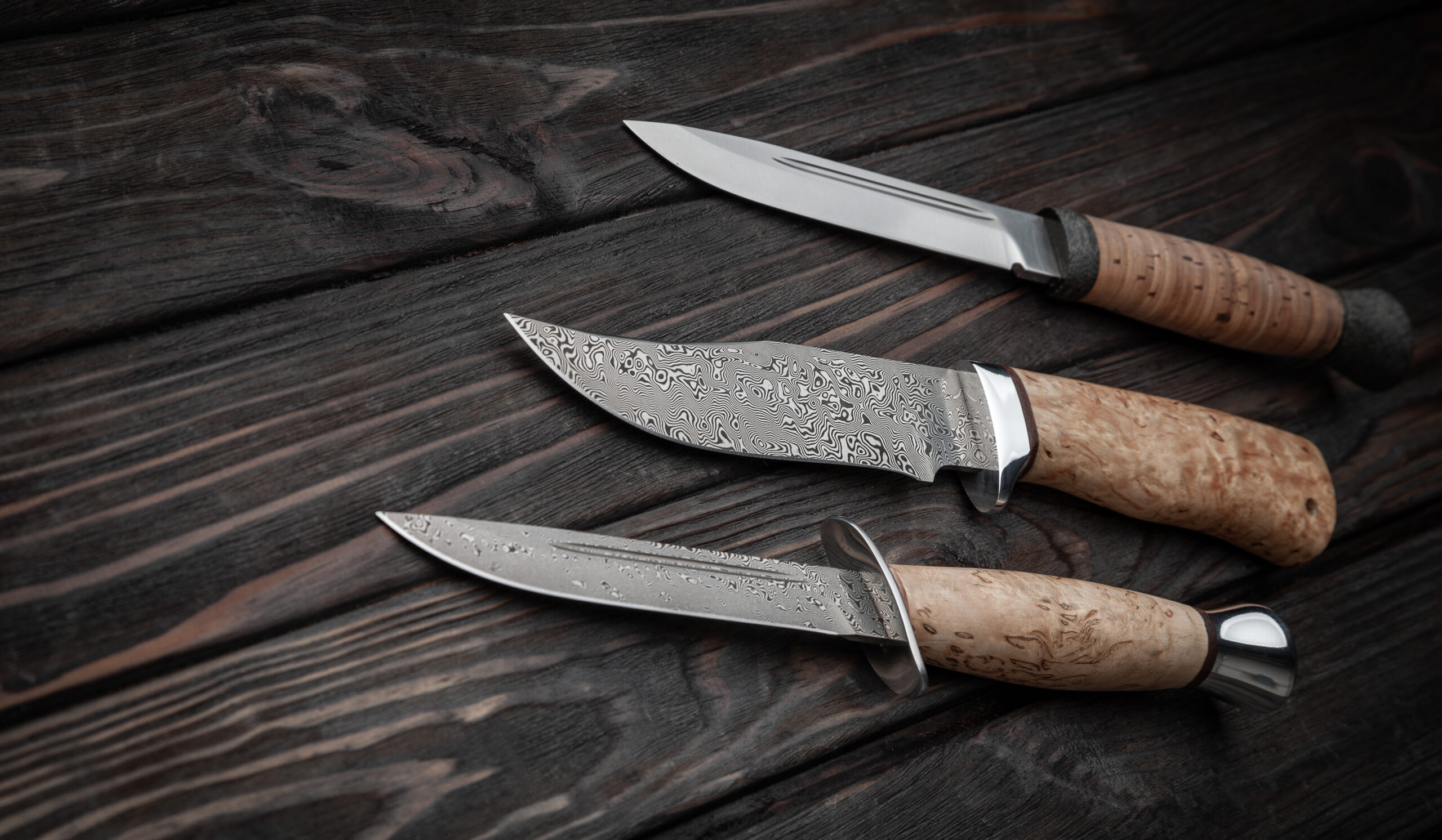
Within the realm of knife collecting, various types of collectors can be identified, each with their unique expertise, community involvement, and psychological motivations.
In this eclectic world, you’ll encounter novice collectors who are just starting their journey, full of curiosity and enthusiasm. These collectors often experiment with different types of knives, honing their preferences and learning the intricate details of blades and handles.
On the other end of the spectrum, you have seasoned collectors, individuals with a vast knowledge base, recognized within the community for their expertise. They can distinguish between the finest craftsmanship and historical significance, often playing a mentorship role to newcomers.
The psychology behind knife collecting varies widely, from the thrill of hunting for rare pieces to the satisfaction of completing a themed collection. Understanding these diverse motivations adds layers to the vibrant tapestry of the knife collecting community.
Community Aspect in Knife Collecting
The community aspect of knife collecting is a vital component that fosters camaraderie, knowledge sharing, and the celebration of the artistry and craftsmanship embodied in each blade.
Knife collectors often find themselves drawn not only to the blades themselves but also to the vibrant and interconnected community that surrounds this passion. Engaging in events such as knife shows and exhibitions provides collectors with opportunities to meet like-minded individuals, exchange insights, and appreciate a diverse array of knives.
Online forums and social media groups further enhance this sense of community, allowing collectors to connect globally, share their collections, and seek advice on new acquisitions.
Value and Rarity of Knives
The value and rarity of knives play a significant role in the appeal of collecting for enthusiasts, as they seek out unique pieces that hold both historical significance and monetary worth.
Collectors are often drawn to knives that have a rich history, whether it’s a blade that was wielded by a famous figure or crafted using traditional methods passed down through generations. Rarity adds an element of exclusivity, making a knife all the more desirable. This exclusivity can drive up the monetary value of a knife, as scarcity often correlates with increased market demand. The intricate craftsmanship and unique design features of a knife can elevate its intrinsic value, appealing to collectors who appreciate the artistry and skill behind its creation.
Factors that Make Knives Collectible
Several key factors contribute to making knives highly collectible, including exceptional craftsmanship, artistic design, and appealing aesthetics that captivate the discerning eye of collectors.
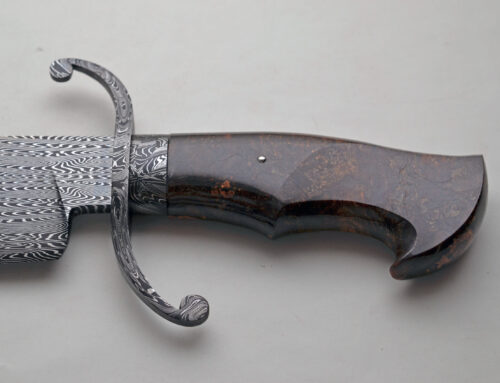
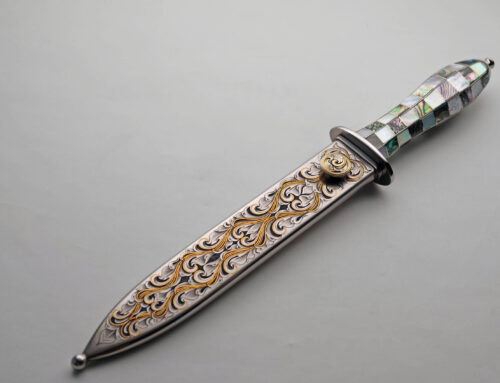
Each collectible knife tells a unique story through its construction, whether it’s the intricate Damascus steel patterns, hand-carved handles, or signature embellishments that set it apart. The quality of materials used also plays a crucial role in determining a knife’s collectibility, with rare, exotic woods, premium metals, and exquisite detailing adding to its allure. The reputation of the knife maker or manufacturer further enhances its value, as collectors often seek pieces from renowned craftsmen or companies with a history of producing exceptional knives.
Popular Types of Collector Knives
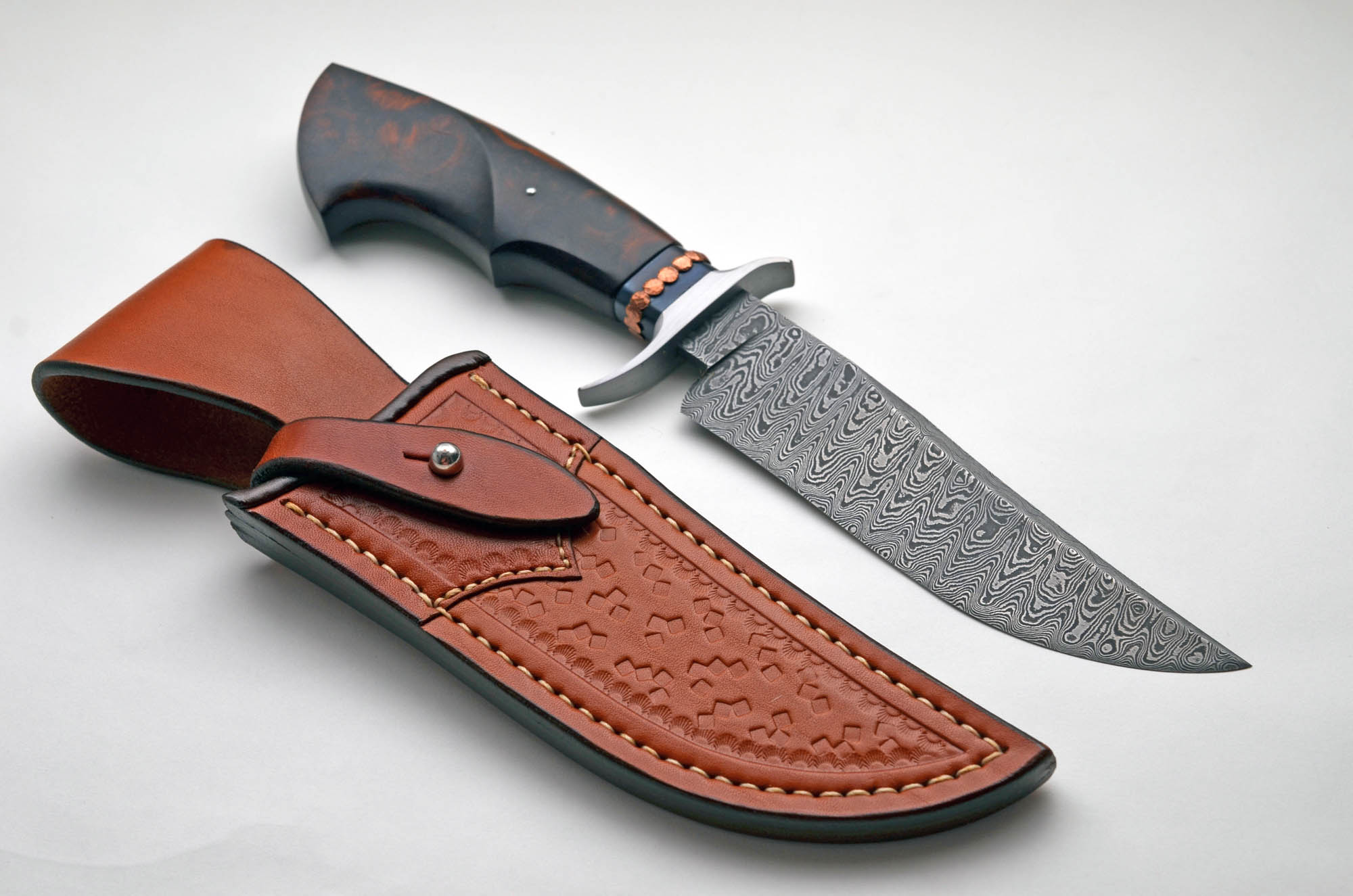
Among the array of collector knives, certain types stand out for their exceptional artistry, unique designs, and superior functionality, garnering admiration from enthusiasts.
One of the most popular types of collector knives is the damascus steel knife, known for its exquisite layered patterns created through forging. These knives not only serve as functional tools but also as pieces of art due to their intricate designs.
Another sought-after type is the custom handcrafted knife, meticulously made by skilled artisans, often featuring personal touches and unique embellishments.
Then, there are the vintage collector knives, prized for their historical significance and nostalgia, drawing collectors who appreciate the craftsmanship of bygone eras.
Tips for Building a Knife Collection
Building a successful knife collection requires careful consideration of personal preferences, expertise in identifying quality pieces, and an understanding of the value proposition offered by each addition.
When starting your collection, it’s crucial to establish your collecting goals and theme. Do you prefer traditional pocket knives or modern tactical ones? Determine if you aim to collect a specific brand, type, or era of knives. This clarity will streamline your selection process and prevent aimless buying.
Research the market; familiarize yourself with renowned knife makers and historical significance.
Quality assessment is crucial; examine the material, craftsmanship, and overall condition when evaluating a knife. Inspect the blade, handle, lock mechanism, and any embellishments meticulously to gauge its worth and potential longevity.
Display and Storage of Collector Knives
Properly displaying and storing collector knives is essential to preserving their condition, showcasing their beauty, and ensuring easy access for admiration and examination by fellow enthusiasts.
Regarding displaying collector knives, investing in a high-quality display case is crucial. Opt for cases made of materials like glass, wood, or acrylic that provide both protection from dust and moisture while allowing for clear visibility of the knives. Utilizing stands or racks within the case can help organize and showcase the knives effectively. When storing knives, ensure they are kept in a climate-controlled environment to prevent rust or deterioration. Wrapping knives in soft cloth or using blade covers can protect their sharp edges and prevent scratching.
Caring for Your Knife Collection
Maintaining the condition of your knife collection involves regular care, cleaning, and upkeep to ensure the longevity and pristine appearance of each blade in your possession.
Proper maintenance can significantly prolong the lifespan of your knives, preventing rust, corrosion, and dullness. The first step is to always clean your knives immediately after use, ensuring that no food particles or moisture are left on the blade.
- Regular sharpening is essential to maintain a sharp edge.
- When storing your knives, it’s important to keep them in a dry place and avoid overcrowding to prevent scratches.
- Use blade oil to protect against rust and store them in a knife block or on a magnetic strip.
Advice for New Knife Collectors
New knife collectors can benefit from seeking advice from experienced enthusiasts, engaging with the collector community, and utilizing available resources to expand their knowledge and appreciation for the hobby.
One of the most valuable ways for new collectors to immerse themselves in the world of knife collecting is by finding a mentor within the community. Experienced collectors can offer invaluable insights, share their expertise, and guide beginners on aspects such as identifying quality craftsmanship, understanding different blade types, and appreciating the history behind each piece.
By actively participating in forums, attending knife shows, and joining local collector groups, newcomers to the hobby can gain exposure to a vast array of knives, learn about various brands and styles, and foster connections with like-minded individuals who share their passion. Engaging with the collector community not only provides opportunities for networking and trading but also fosters a sense of camaraderie and support among enthusiasts.
New collectors should take advantage of educational resources such as online tutorials, books, and workshops to deepen their understanding of knife construction, maintenance, and potential uses. Building a solid foundation of knowledge through continuous learning and exploration will not only enhance their appreciation for the artistry and craftsmanship behind each knife but also enable them to make informed decisions when adding pieces to their collection.
History of Knife Collecting
The history of knife collecting traces back to ancient times when blades held cultural, practical, and symbolic significance, evolving over the centuries into a passionate community-driven pursuit of craftsmanship and artistry.
Knives were not only essential tools for survival but were also imbued with spiritual and ceremonial importance in many ancient civilizations. From the revered daggers of the samurai in feudal Japan to the intricately carved blades of Native American tribes, knives were a reflection of status, honor, and tradition.
Knife collecting as a hobby gained momentum during the Victorian era, with the rise of ornate and personalized pocket knives. This era marked a shift from purely utilitarian blades to more decorative and specialized designs, paving the way for the modern aesthetic appeal of collectible knives.
Internet’s Role in Knife Collecting
The internet has revolutionized the landscape of knife collecting, providing enthusiasts with access to online forums, resources, and marketplaces that enhance their knowledge, connectivity, and engagement within the community.
Through online platforms, collectors can connect with like-minded individuals globally, sharing insights, histories, and tips on knife selection and care. These virtual spaces serve as hubs for discussions, showcasing rare finds, and even trading pieces. Online resources offer a treasure trove of information, from articles on blade craftsmanship to catalogs of vintage knives, enableing collectors to deepen their understanding and appreciation of the craft.
The internet has democratized knife collecting by breaking down geographical barriers. Now, enthusiasts from remote locations can participate in auctions, access specialized stores, and engage in virtual events, expanding the reach and diversifying the interests within the community.
Knife Collecting Forums and Communities
Knife collecting forums and communities serve as hubs of interaction, knowledge exchange, and social engagement for enthusiasts to connect, learn, and participate in events that celebrate their shared passion.
These online platforms play a crucial role in bringing together individuals who share a fascination for knives, providing a virtual space where members can discuss various aspects of knife collecting, from rare finds to restoration techniques. Through collaborative efforts, collectors can pool their expertise, offer advice on acquisitions, and even organize meetups or swap meets to further enhance their connections. These forums often host valuable resources such as tutorials, identification guides, and market insights, enriching the overall experience for participants.
The Secondary Market for Collector Knives

The secondary market for collector knives offers a dynamic platform for buying, selling, and trading rare and valuable pieces, catering to the needs of enthusiasts seeking to expand their collections or acquire prized additions.
Buyers and sellers in this market are often driven by the rarity of a particular knife, as scarcity can significantly impact its value. The demand for specific styles, designers, or historical significance can also influence the prices of collector knives. Understanding the factors that contribute to a knife’s worth is crucial for collectors looking to make informed decisions.
Authenticity plays a pivotal role, with collectors relying on reputable dealers, authentication certificates, and historical documentation to validate the genuineness of a piece. Navigating the secondary market requires research, patience, and a keen eye for spotting potential treasures amid the vast array of offerings.
Start Your Collection with Exquisite Knives
The world of knife collecting offers a rich tapestry of history, craftsmanship, community, and value that continues to captivate enthusiasts and foster a vibrant community of collectors committed to preserving and celebrating the art of blades.
The enduring appeal of knives as collectibles lies in the intricate designs, diverse materials, and rich history behind each blade. Collectors form a close-knit community, sharing their knowledge, expertise, and passion for these functional works of art. The cultural significance of knife collecting extends beyond mere possession; it is about honoring the skilled artisans and master craftsmen who create these exceptional pieces. The dedication and commitment shown by enthusiasts highlight the deep-seated love for the artistry and craftsmanship that characterize the world of blade collecting.
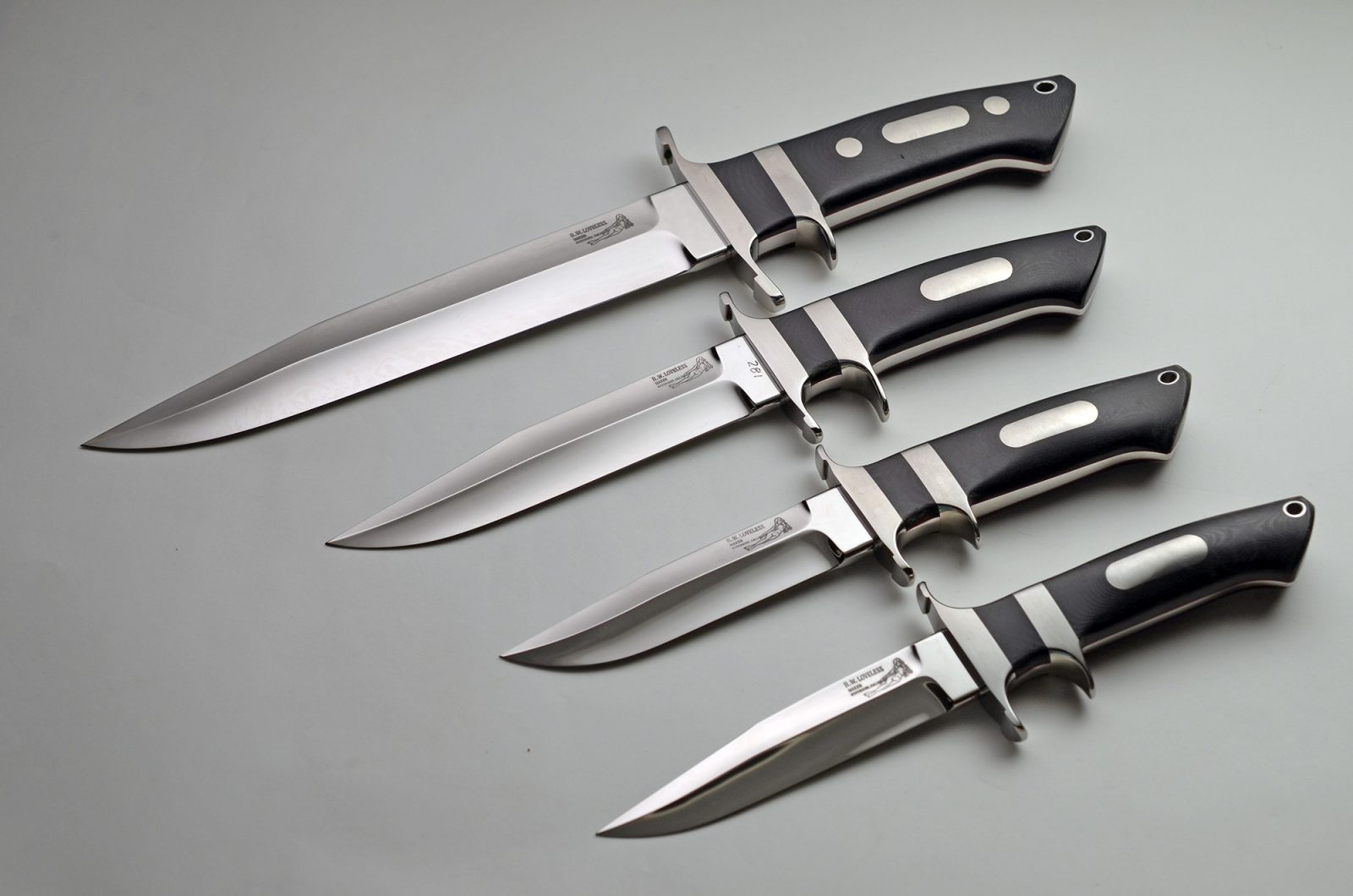
The psychology of knife collecting is as fascinating as the knives themselves! If you’re searching for some of the rarest custom knives in the world, you can find them here in our shop. We have had knives from Bill Moran, Bob Loveless, Ron Lake, and the list goes on! For more information on ordering custom knives please call (760) 310-4078.
February 29, 2024