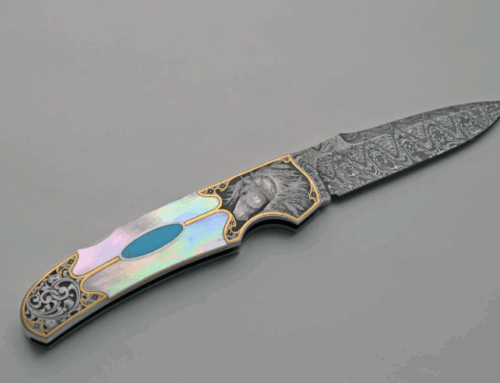
If you’re a knife collector, the allure of a Damascus knife is hard to resist. With their flowing
patterns, storied history, and reputation for exceptional sharpness, these high-end knives have
long captured the imagination of enthusiasts and professional chefs alike. But beyond their
striking appearance, do Damascus knives truly perform better than other knives in everyday use
or as a knife for collection?
In this article, we’ll examine the craftsmanship, materials, and performance of Damascus knives,
and explore what makes them highly prized by knife collectors and appraisers. Whether you’re
adding to your historic knives collection or considering a functional piece for your kitchen,
understanding Damascus steel will help you make an informed choice.
What Makes Damascus Knives Unique
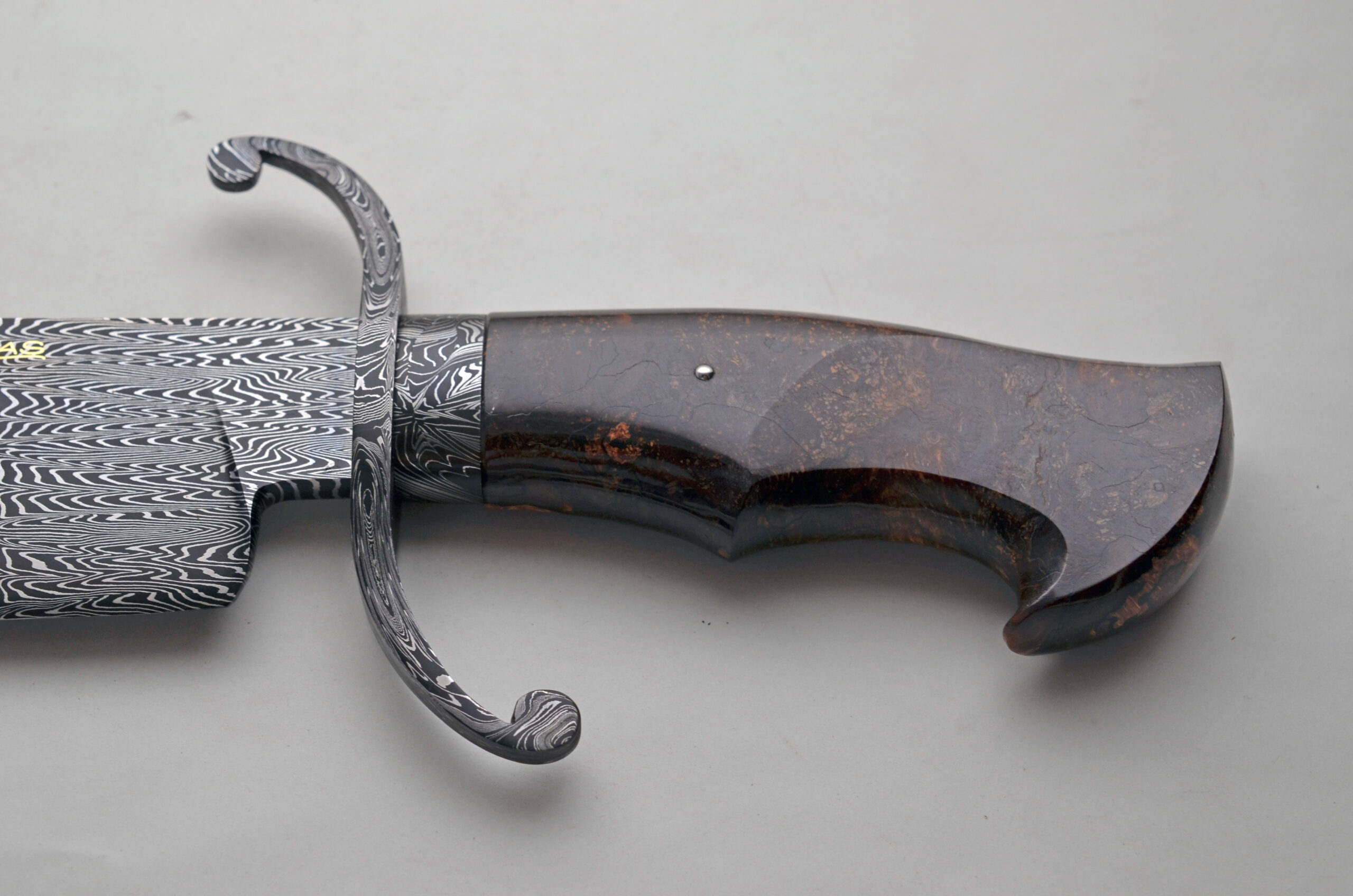
Damascus knives are renowned for their distinctive wavy or patterned steel. This appearance
isn’t just aesthetic. Traditional Damascus steel is made by forging together multiple layers of
steel, resulting in a blade that balances hardness and flexibility. Modern Damascus knives often
use pattern-welded steel to achieve a similar look and performance.
This layering process contributes to the knife’s strength and edge retention. A well-crafted
Damascus knife can be exceptionally sharp, durable, and resistant to chipping. For knife
collectors, the craftsmanship and pattern complexity can make a knife for collection a standout
piece in any showcase.
Performance Factors to Consider
While the layered construction of Damascus knives is visually striking, performance depends on
several factors. The type of steel used, heat treatment, and the skill of the knife maker all
influence the blade’s durability, sharpness, and ease of maintenance.
A high-end Damascus knife can hold a fine edge longer than some standard stainless steel
knives, making it ideal for precise cutting tasks. However, not all Damascus knives are created
equal. Some are more decorative than functional, designed for collectors rather than chefs. A
knife appraiser may note the difference between a blade intended for display and one optimized
for cutting performance.
Comparing Damascus Knives to Other High-End Knives
When evaluating whether Damascus knives perform better, it’s important to compare them with
other high-end knives. Knives made from high-carbon stainless steel, ceramic, or specialty
alloys may offer similar sharpness and edge retention, sometimes at a lower maintenance level.
Where Damascus knives often shine is in their balance of aesthetics and performance. For a
knife collector, owning a blade that is both functional and visually stunning adds value and
enjoyment. A chef or enthusiast seeking maximum cutting precision might prefer a Damascus
knife with carefully selected steel and expert forging techniques.
Why Collectors Value Damascus Knives
For knife collectors, Damascus knives are prized not just for performance but also for their
historical and artistic significance. Many collectors seek knives with patterns that reflect
traditional craftsmanship or rare forging techniques. Historic knives and custom Damascus
blades often carry higher appraisal values due to their uniqueness and quality.
Collectors often consider a knife’s provenance, maker, and condition. A well-documented
Damascus knife from a renowned craftsman can appreciate in value over time, making it a
worthy addition to a collection of historic knives. Even knives intended for practical use can
carry an aura of artistry, combining function with display-worthy beauty.
Caring for Your Damascus Knife
Maintaining a Damascus knife is key to preserving both its performance and beauty. These
blades require regular cleaning and careful drying to prevent rust or corrosion. Applying a light
coat of oil can protect the steel, especially if it’s high-carbon.
Proper storage is also essential. Using a knife block or sheath protects the blade and keeps it
sharp. Even high-end knives benefit from occasional professional sharpening to maintain
optimal cutting performance. Following these steps ensures that your Damascus knife continues
to perform well while remaining a visually striking piece in your collection.
Choosing the Right Damascus Knife
When selecting a Damascus knife, consider how you plan to use it. For collectors, aesthetic
appeal, rarity, and craftsmanship are top priorities. For functional use, look for knives made from
high-quality steel, forged by experienced knife makers, and balanced for your preferred tasks.
Exquisite Knives offers a curated selection of Damascus knives that appeal to both collectors
and enthusiasts. Whether you’re adding to a collection of historic knives or seeking a
high-performance blade for your kitchen, each knife combines artistry, durability, and precision.
Are Damascus Knives Worth It?
Ultimately, whether a Damascus knife performs “better” depends on your priorities. For knife
collectors and enthusiasts, the combination of sharpness, durability, and visual appeal makes
Damascus knives highly desirable. They offer a balance of utility and artistry that few other
high-end knives can match.
Knife appraisers often highlight that while some knives may outperform Damascus in specific
technical metrics, few match the overall experience and prestige of owning a well-crafted
Damascus blade. This makes it an excellent choice for anyone seeking both functional use and
collectible value.
A Timeless Investment for Collectors and Enthusiasts
Damascus knives offer a unique blend of beauty, history, and performance. For knife collectors,
a knife for collection that combines visual elegance with practical sharpness is a valuable
addition. For chefs and enthusiasts, a well-made Damascus knife can provide precision,
durability, and a reliable cutting experience.
Exquisite Knives provides high-end Damascus knives, historic knives, and expertly curated
blades that appeal to collectors and everyday users alike. Explore our collection today to find a
piece that not only performs beautifully but also stands as a timeless work of craftsmanship.
December 22, 2025