Knives are essential kitchen tools for chefs, home cooks, and personal use. Choosing the right knife can be challenging due to the numerous types available. This article focuses on serrated knife vs plain edge and their differences, providing a better understanding of their unique features and enabling informed decisions about which type is best for your needs, as recommended by knife experts like Exquisite Knives.
What is a serrated knife?

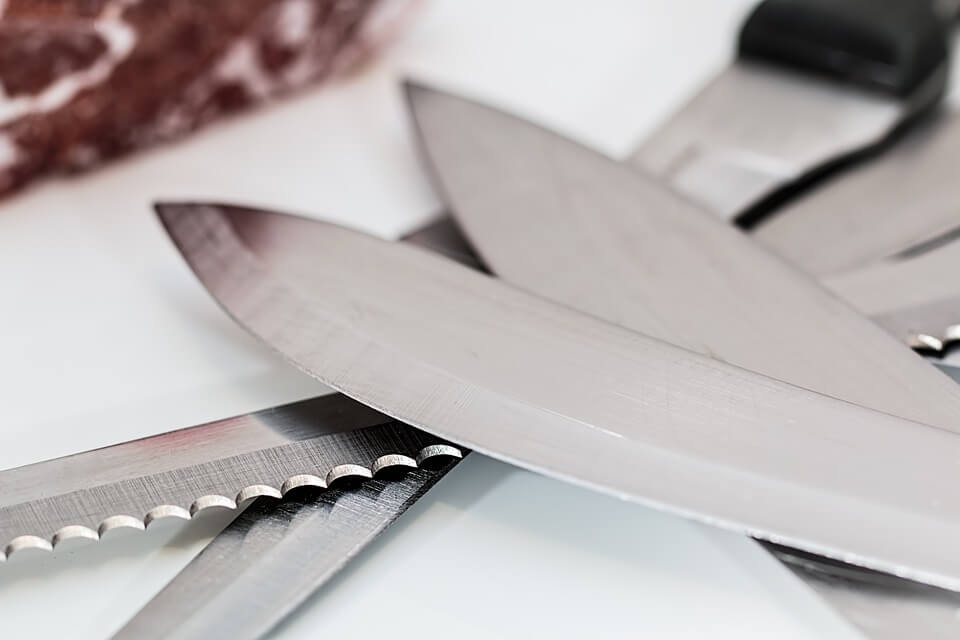
A serrated knife is a durable kitchen tool with a saw-like blade and sharp, jagged edges, ideal for cutting tough materials like tomatoes, bread, and meats. Its blades are typically 3-8 inches long, making it suitable for various tasks.
Serrated knives have a saw-like blade with strong edges that make it simpler to rapidly and efficiently slice through dense items.
Benefits of using a serrated knife from Exquisite Knives
Serrated knives are versatile tools for kitchen tasks and precision cuts. With saw-like blades, they can cut tough items like steak and bread without tearing or crushing them. They are ideal for slicing tomatoes and onions, and their small size makes them perfect for carving pumpkins or decorating cakes.
Exquisite Knives’ serrated knives require less effort than plain-edge knives when slicing certain types of food, making them perfect for those who are short on time or strength.
These knives require less sharpening than straight-edged knives due to their increased resistance to dulling. Their ‘teeth’ act like saws, gripping onto various materials with minimal effort, making them ideal for cutting meat, vegetables, rope, wood, or plastic.
One can find a variety of shapes, sizes, and colors at Exquisite Knives.
What is a plain-edge knife?

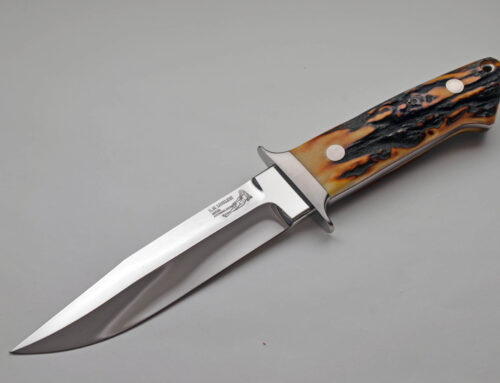
A plain-edge knife is an excellent investment for professional or home chefs, offering a smooth cutting-edge and lightweight design for cutting meat, vegetables, bread, and cheeses. It’s resistant to dulling and remains sharp even after frequent use.
Plain-edged knives require less maintenance than serrated knives due to their lack of teeth, making them ideal for precise cuts without extra upkeep tasks.
Benefits of using a plain-edge knife from Exquisite Knives
A plain-edge knife offers precision and control in the kitchen due to its flat design, easy sharpening, and superior accuracy in cutting soft foods like tomatoes and creating decorative patterns. Its smoothness ensures even condiment spread without snags or bumps.
Exquisite Knives’ plain-edge blades provide higher performance and take less time to sharpen because they don’t have any curves or angles like serrated knives.
Finally, this knife excels on tough materials like wood and rope, making it an efficient and reliable tool for all kitchen needs.
At Exquisite Knives, you can choose from a huge range of plain-edge knives, according to your taste.
Serrated knife vs plain edge knife: pros and cons
The decision between serrated and plain-edge knives is an age-old debate that continues to rage on. To help you choose which one is right for your needs, let’s take a closer look at the advantages and disadvantages of both types.
Serrated knives have jagged teeth for cutting hard items, are smaller for intricate work, but may cause uneven cuts when slicing soft foods.
Plain-edged knives offer a smooth, controlled cutting surface, reduce sharpening time, and resist dulling, but may require more effort for tougher items like steak or bread.
Serrated and plain-edge knives have low upfront costs and require regular maintenance for optimal performance, with serrated knives requiring less upkeep and plain-edge knives requiring frequent sharpening.
Looking for custom knives? View our gallery at Exquisite Knives!
In conclusion, serrated or plain-edged knives are dependent on personal preferences for kitchen tasks. Before making a choice, weigh all the options. High-quality blades with aesthetic appeal, functionality, and longevity are available at Exquisite Knives’ website.
July 11, 2023