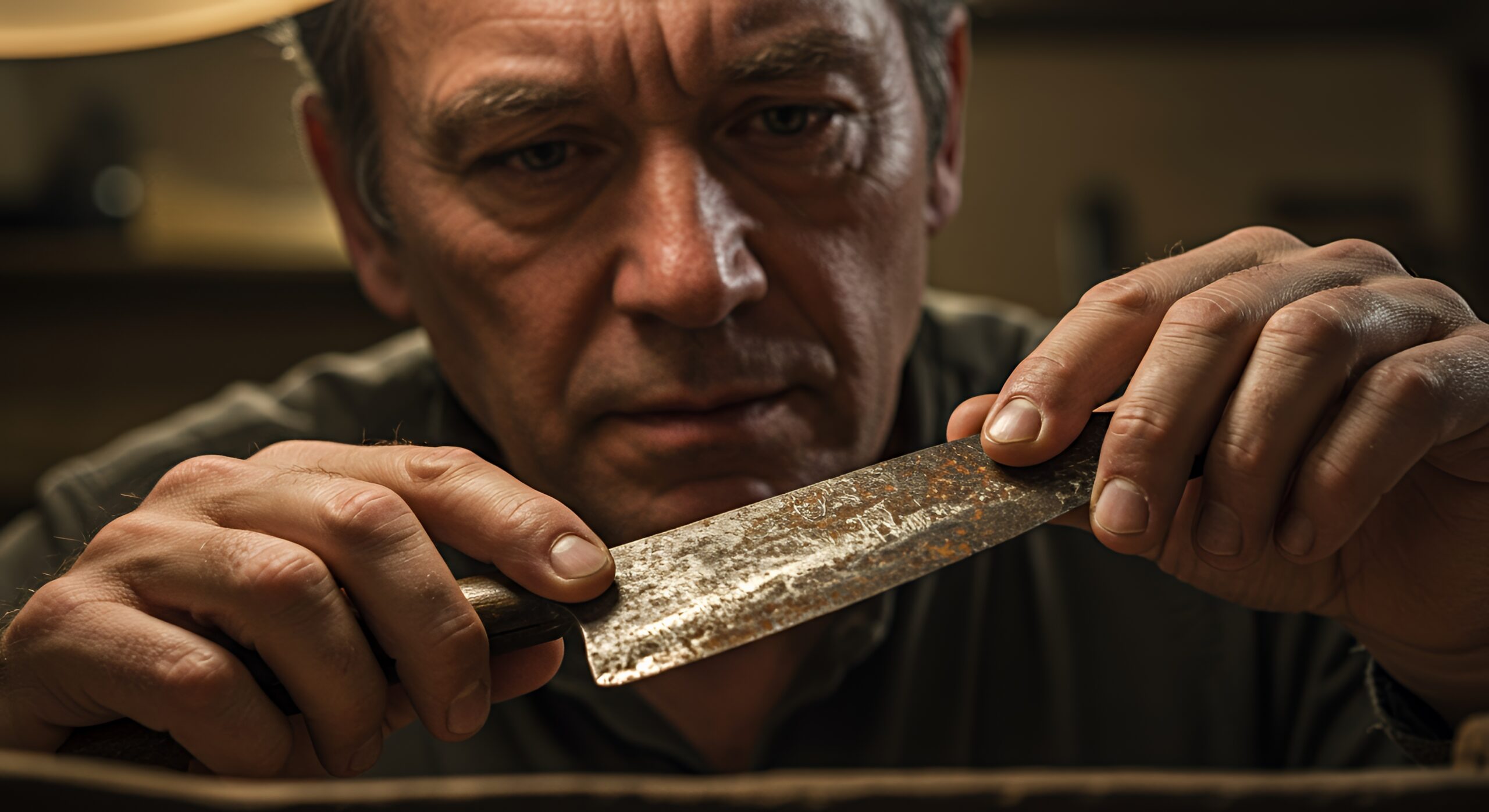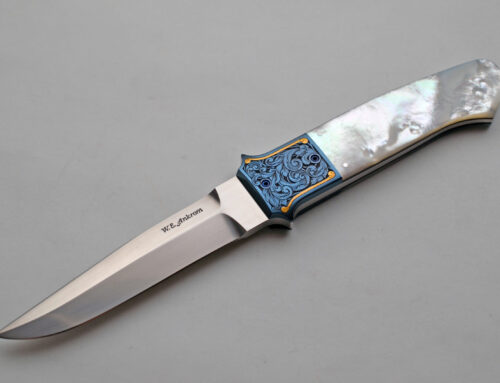
A beautiful knife is more than a tool, it’s a timeless piece of art. If you’re into knife collecting, you’ve probably asked yourself: why do some blades become priceless while others fade into obscurity? The answer often lies in a blend of rarity, craftsmanship, provenance, and artistic merit. Knife collecting is more than a hobby; it’s a discerning art form, and certain pieces, especially unique knives for collectors, can appreciate in value at an astonishing pace.
In this article, we’ll explore what drives that value. From the deep-rooted history of knives to what makes today’s artistic knives so desirable, you’ll gain insight into what separates a truly beautiful knife from an average one. Whether you’re just starting your collection or looking to refine it, this guide will help you understand how to recognize future high-value pieces and make smart investments.
The Role of Craftsmanship and Materials
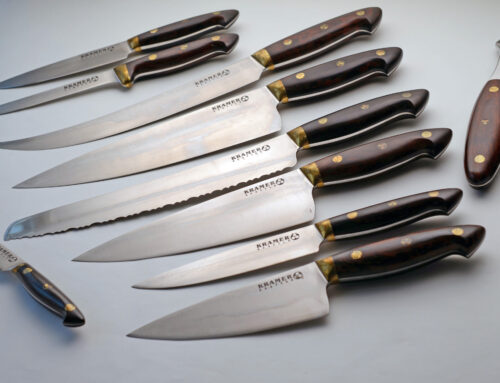
The most obvious factor in a knife’s value is craftsmanship. A mass-produced knife might serve well in the kitchen or field, but it won’t fetch thousands at auction. Hand-forged knives made by renowned bladesmiths, like Bob Loveless, Bill Moran, or Yoshindo Yoshihara, can skyrocket in value, often selling for tens of thousands of dollars.
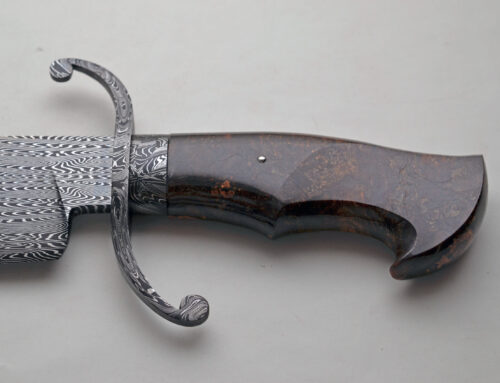
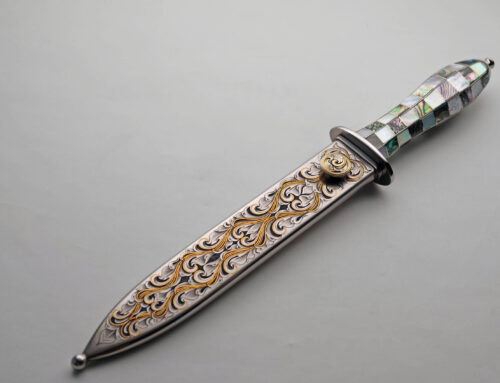
These makers use premium materials that go beyond basic utility. Damascus steel, known for its striking patterns and superior strength, is one such example. High-end handle materials like ivory, rare hardwoods, or gemstone inlays add to the aesthetic and collectible appeal. Many of these knives also feature hand-engraved or etched detailing, showcasing a level of artistic detail that factory-made blades simply can’t replicate.
Collectors seek out fancy knives that highlight these skills because they’re not just cutting instruments, they’re functional sculptures. At Exquisite Knives, many of the offerings reflect this level of craftsmanship, ensuring collectors are investing in artistry that stands the test of time.
Rarity: The Scarcity Effect
Not all rare knives are valuable, but all valuable knives are, in some way, rare. Whether it’s a limited production run, a discontinued model, or a custom one-of-one piece, scarcity can fuel dramatic appreciation in price. Knife collecting is driven in part by the thrill of owning something few others possess, and that exclusivity directly impacts value.
Collectors often seek early works from now-famous makers, as these pieces can become highly sought after once the maker’s reputation grows. Knives made with materials that are no longer legal or available, like pre-ban elephant ivory, also gain value due to their irreproducibility. Additionally, commemorative editions from respected brands or makers can become collector’s items simply because they represent a unique moment in knife history.
For instance, a knife from a small batch made in the 1980s may now command five figures due to its limited availability and increased demand among today’s collectors. In this way, rarity acts as both a market driver and a form of validation for a knife’s long-term worth.
Artistic Value and Design Aesthetics
While function matters, artistic knives bring something else to the table, style and soul. Collectors are drawn to pieces that tell a story through design. Engraved blades, sculpted handles, and thematic elements (such as Viking, Samurai, or Art Deco influences) turn knives into heirlooms.
A knife doesn’t have to be flashy to be artistic. Subtle choices in geometry, finish, and symmetry can elevate a blade’s aesthetic and its price. Unique knives for collectors that pair functionality with visual intrigue often appreciate more quickly because they cater to both practical users and art collectors.
At Exquisite Knives, you’ll find handcrafted blades that blend tradition and innovation, many with designs you simply won’t find anywhere else.
The Importance of Provenance
Like vintage watches or classic cars, a knife’s provenance, its ownership history and origin, adds to its value. A knife once owned by a famous figure, or created by a legendary maker, often gains financial and historical worth.
Documented authenticity and maker signatures go a long way. This is why investing through reputable sellers like Exquisite Knives ensures your collection includes authenticated, traceable pieces with clear histories.
Timing and Market Trends
Knife collecting is also affected by broader trends and cultural moments. When a maker wins a major award or gains recognition in the press, their earlier works often see a spike in value. Additionally, global demand from growing markets (like China and the Middle East) has made certain categories of knives more sought after.
Savvy collectors who watch these trends closely can often anticipate which knives will rise in value before the market catches on.
Quick Checklist: What Makes a Knife Appreciate Quickly?
Here’s a brief list of qualities to look for in a knife that might appreciate faster:
- Handmade by a well-known maker
- Limited edition or one-of-a-kind
- Documented history or unique origin
- Exceptional materials and finish
- Artistic or culturally relevant design
Remember, not every expensive knife becomes more valuable, but every highly valuable knife has these core qualities.
Collect with Confidence
The knife world is vast, fascinating, and deeply rewarding for those who know where to look. Whether you’re drawn to the history of knives, captivated by artistic knives, or in pursuit of the next beautiful knife to add to your collection, understanding the factors that drive value appreciation can give you a powerful edge.
At Exquisite Knives, we curate a premium selection of knives that offer more than beauty—they offer legacy. With expert knowledge, authentic pieces, and a passion for fine craftsmanship, we’re here to help both seasoned collectors and curious newcomers navigate the world of high-end knife collecting.
Ready to explore knives that truly stand the test of time? Check out our current inventory and find your next investment-worthy piece today.
June 25, 2025