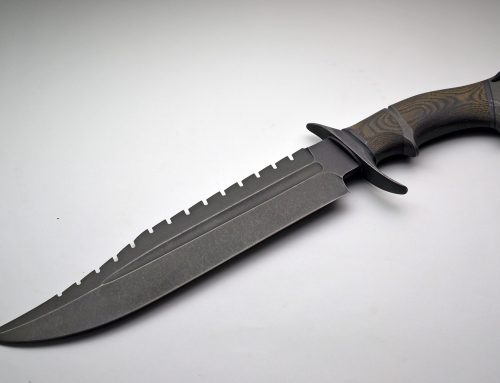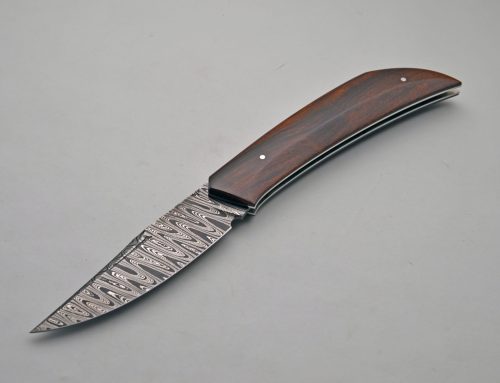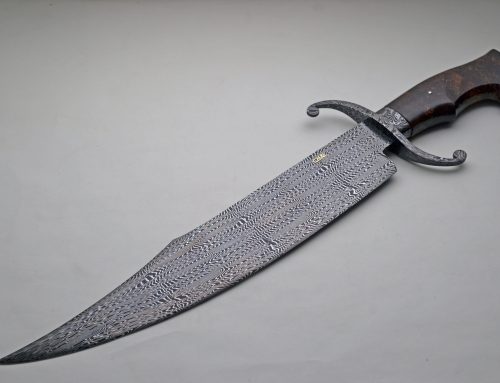
Stag handle knives are more than just tools; they are a testament to timeless craftsmanship. Have you ever wondered why these knives have remained popular for centuries? The answer lies in their unmatched durability, natural beauty, and the intricate artistry that goes into their creation. In this article, we’ll explore the history, advantages, and appeal of stag handle knives and why adding one to your collection could be the perfect choice.
The Enduring Legacy of Stag Handle Knives
Stag handle knives have been revered by hunters, outdoorsmen, and collectors for centuries. The handles, made from deer antlers, provide both aesthetic appeal and functional benefits. Here’s why they’ve stood the test of time:
- Durability: Deer antlers are incredibly sturdy, making stag handles resistant to wear and tear.
- Natural Beauty: Each handle has unique textures and color variations, giving every knife its own character.
- Comfort: Stag handles offer a natural, ergonomic grip that fits comfortably in your hand, even during extended use.
For collectors, the value of a stag handle knife extends beyond its practical use—it’s a piece of art that embodies traditional craftsmanship.
Why Stag Handle Knives Are a Must-Have for Collectors
Owning a stag handle knife is like owning a piece of history. The tradition of using stag antlers dates back to ancient civilizations, where they were prized for their strength and availability. Over time, the craftsmanship involved in creating these knives evolved, turning them into symbols of prestige and skill. For serious collectors, a stag handle knife is a must-have due to:
- Rarity: High-quality stag handle knives are increasingly rare, especially as fewer craftsmen have the skills to work with natural materials.
- Heritage: These knives carry a rich history, often passed down through generations.
- Investment: Like fine art, stag handle knives can increase in value over time, especially those made by renowned makers.
Exquisite Knives specializes in rare and collectible knives, and our selection of stag handle knives offers some of the finest examples of this craftsmanship.
How to Care for Your Knife
To keep your stag handle knife in pristine condition, proper care is essential. Here are some tips to ensure your knife remains in perfect shape for years to come:
- Avoid Excessive Moisture: Stag handles can warp or crack if exposed to water for too long. After use, make sure to dry the handle thoroughly.
- Use Oil: Occasionally, apply a light coat of mineral oil to the handle to maintain its sheen and prevent drying out.
- Store Properly: Keep your knife in a dry, cool place. Storing it in leather sheaths for extended periods can trap moisture, leading to damage.
By following these simple steps, your stag handle knife will maintain its beauty and functionality, becoming a treasured piece in your collection.
Choosing the Right Stag Handle Knife
It’s important to consider the craftsmanship, maker, and intended use. Here are some factors to guide your decision:
- Blade Material: Look for high-carbon or stainless steel blades for longevity and sharpness.
- Handle Quality: Ensure the stag handle is well-fitted to the blade and has a smooth finish without cracks or rough edges.
- Maker’s Reputation: Some knife makers are renowned for their attention to detail and craftsmanship. At Exquisite Knives, we carry works from some of the most respected names in the business.
Why Stag Handle Knives Deserve a Place in Your Collection
Stag handle knives are more than just tools—they are pieces of art that combine history, functionality, and craftsmanship. Their durability, natural beauty, and unique heritage make them stand out in any collection. Whether you’re a seasoned collector or just starting, a stag handle knife is a must-have. At Exquisite Knives, we pride ourselves on offering an unparalleled selection of rare, collectible knives, including stag handle pieces. Ready to add a symbol of timeless craftsmanship to your collection? Explore our stag handle knives today and find the perfect piece to enhance your collection.
August 28, 2024