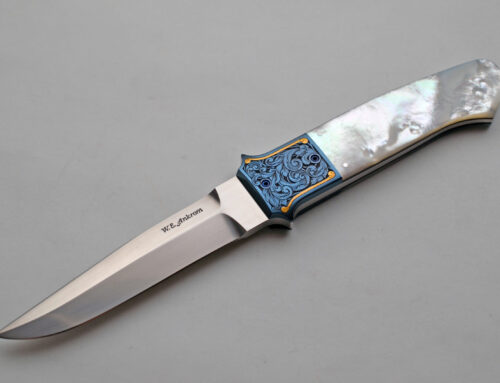
Pocket knives have been a staple tool for centuries, serving a multitude of purposes from everyday tasks to survival situations.
In this comprehensive guide, we delve into the fascinating history of pocket knives, exploring their invention, evolution, and significance.
From the early designs in ancient times to the modern-day innovations, we trace the journey of pocket knives through the ages.
Join us as we uncover the stories behind notable brands and the various types of pocket knives that have stood the test of time.
Key Takeaways:
- The first pocket knife was invented by the ancient Romans and was primarily used for agricultural and religious purposes.
- Pocket knives have evolved over time, with the introduction of different materials and designs based on the needs and advancements of each era.
- The versatility and convenience of pocket knives have made them an essential tool for everyday tasks and a symbol of craftsmanship and tradition for many cultures.
The Invention of Pocket Knives
The history of pocket knives dates back to ancient civilizations, with their invention marking a significant evolution in cutting tools.
In ancient times, the concept of portable cutting implements was essential for survival and daily tasks. The earliest examples can be traced to the Iron Age and the Roman era, where small folding knives were utilized for various purposes. These versatile tools were precursors to modern pocket knives, showcasing innovative designs even in their simplicity.

Who Invented the First Pocket Knife?
The first pocket knife is believed to have originated during the ancient Roman Empire, where it was crafted for utility and convenience.
Within the historical context of the Roman Empire, craftsmanship and innovation flourished, leading to the creation of various useful tools like the pocket knife. Skilled artisans meticulously crafted these knives using materials such as bronze, iron, and even silver, showcasing the advancements in metallurgy during that era.
The versatility of the pocket knife made it an essential item in everyday life, from opening packages to performing intricate tasks. Its compact size and multi-functional design made it highly practical for soldiers, craftsmen, and civilians alike, emphasizing its importance in ancient societies.
What Was the First Pocket Knife Made From?
The first pocket knives were crafted from durable steel alloys, showcasing intricate blade designs and fine craftsmanship.
Early pocket knives consisted of various components, including the blade, handle scales, and pivot mechanism. The blades were meticulously shaped and sharpened to precision, often featuring unique patterns or engravings.
As time progressed, advancements in metallurgy led to the development of high-quality steel alloys, enhancing the durability and sharpness of the blades. Manufacturers in regions like Sheffield, England, and Solingen, Germany, became renowned for their pocket knife production, setting the standard for excellence in the industry.
The Evolution of Pocket Knives
The evolution of pocket knives saw significant advancements during the medieval period, with the Vikings contributing to the development of innovative folding designs.
During this time, Viking craftsmen used their metalworking skills to create pocket knives made from high-quality materials such as iron and bronze, enhancing both durability and functionality. These knives were not only practical tools but also symbols of status and craftsmanship. As time progressed, the folding mechanisms of these knives became more sophisticated, allowing for easier portability and concealment.
Early Pocket Knives in Ancient Times
Early pocket knives in ancient times, such as those found in Hallstatt, Austria, featured simple yet versatile designs, resembling the modern concept of a jackknife.
These ancient pocket knives were crafted by skilled artisans who painstakingly honed their techniques over generations, resulting in blades that were not only practical but also aesthetically pleasing. The intricate details on the handles and blades showcased the craftsmanship and attention to detail that defined the era.
Moreover, the utility of these early pocket knives went beyond mere cutting tools; they often featured additional functions like awls, corkscrews, and even toothpicks.
This evolution towards multi-functional blades marked a significant turning point in the history of pocket knives, enabling users to carry a variety of essential tools in a single compact device.
Medieval Pocket Knives
Medieval pocket knives, influenced by both Viking and Roman designs, featured innovative slip-joint mechanisms and intricate handle designs, showcasing skilled craftsmanship.
The technological advancements in these knives not only enhanced their functionality but also added a touch of elegance to their appearance. The Viking influence brought sturdy and robust blade designs, perfect for cutting tasks, while the Roman influence tended to focus more on the aesthetics of the handles, often incorporating intricate engravings and embellishments.
Both cultures played a significant role in shaping the evolution of these pocket knives, with each bringing its unique expertise to the craftsmanship. The fusion of these influences resulted in a diverse range of pocket knives, suitable for various purposes and preferences.
18th and 19th Century Pocket Knives
The 18th and 19th centuries marked a period of industrial revolution for pocket knives, with American and European manufacturers like the Elsner family and Camillus pioneering mass production.
During this time, technology and innovation played crucial roles in transforming the craftsmanship of pocket knives from manual labor to mechanized production processes.
The contributions of families such as the Case family in America and companies like Joseph Rodgers & Sons in England further propelled the evolution of pocket knife manufacturing.
This industrial revolution not only streamlined production but also impacted various aspects of society, from military use to everyday carry items popular among civilians.
20th Century Pocket Knives
The 20th century witnessed the transformation of pocket knives into essential tools for American soldiers during WWII, leading to iconic brands like Gerber and Case emerging from this era.
These brands not only provided reliable and durable knives for soldiers, but also influenced the design and functionality of pocket knives for generations to come.
Gerber, known for its innovative designs, introduced features like serrated blades and ergonomic handles, setting new standards in the industry.
On the other hand, Case knives became synonymous with quality craftsmanship and tradition, appealing to collectors and enthusiasts worldwide.
The Importance of Pocket Knives

Pocket knives hold both practical utility and symbolic value, embodying the craftsmanship and heritage of diverse cultures across history.
These versatile tools have been integral components of various societies, representing not only functionality but also status and tradition. Dating back to Viking times, pocket knives were essential for survival in harsh environments and served as symbols of strength and resilience.
In many cultures, these knives were intricately designed with ornate handles and intricate engravings, signifying craftsmanship and artistry. The legacy of pocket knives continues to endure, bridging the gap between everyday functionality and cultural significance.
Functional Uses of Pocket Knives
The functional uses of pocket knives are vast, from aiding scouts in outdoor activities to serving as essential tools for soldiers in combat environments.
These versatile tools have been used for centuries, with a rich history dating back to ancient times. Pocket knives have played pivotal roles in various historical events, proving their importance in survival and tactical strategies.
Scouts rely on pocket knives for tasks such as cutting ropes, preparing food, or building shelters during camping trips. In military operations, these compact yet powerful tools aid soldiers in cutting through obstacles, self-defense, and various utility tasks on the field.
Symbolic and Cultural Significance of Pocket Knives
Pocket knives carry a deep symbolic and cultural significance, reflecting craftsmanship, heritage, and tradition across generations.
These versatile tools not only serve practical purposes but also hold sentimental value, often passed down through families as cherished heirlooms.
Swiss Army knives, for instance, are synonymous with precision engineering and functionality, embodying the Swiss reputation for quality craftsmanship.
Similarly, Gerber knives are recognized for their durability and innovation, showcasing the evolution of knife-making technology. The legacy of renowned knife-making families resonates in each blade, illustrating a commitment to excellence and the preservation of time-honored traditions.
Pocket knives stand as a testament to the enduring connection between functionality, artistry, and cultural heritage.
Types of Pocket Knives
Pocket knives encompass a diverse range of types, including traditional models, multi-tool varieties, and innovative folding designs that cater to various needs and preferences.
Traditional pocket knives are characterized by their classic construction, often featuring single blade designs with handle materials like bone or wood, reflecting craftsmanship and nostalgia.
On the other hand, multi-tool pocket knives combine functionality with versatility, incorporating various tools such as screwdrivers, scissors, and bottle openers, making them practical for outdoor enthusiasts and everyday use.
Folding pocket knives, with their compact and convenient design, have evolved to include different mechanisms like liner locks and frame locks, allowing for easy one-handed operation and safe usage.
Blade styles have also evolved over time, ranging from clip point and drop point to tanto and serrated edges, each suited to specific tasks and user preferences.

Traditional Pocket Knives
Traditional pocket knives, such as those crafted by Case, embody a rich heritage of craftsmanship and design, often passed down through generations as cherished family heirlooms.
These timeless pieces serve as more than mere tools; they carry with them stories of rugged utility, outdoor adventures, and intimate moments shared between fathers and sons, grandfathers and granddaughters.
Case pocket knives are not just objects; they are symbols of tradition and connection, linking past, present, and future in a single blade.
Multi-Tool Pocket Knives
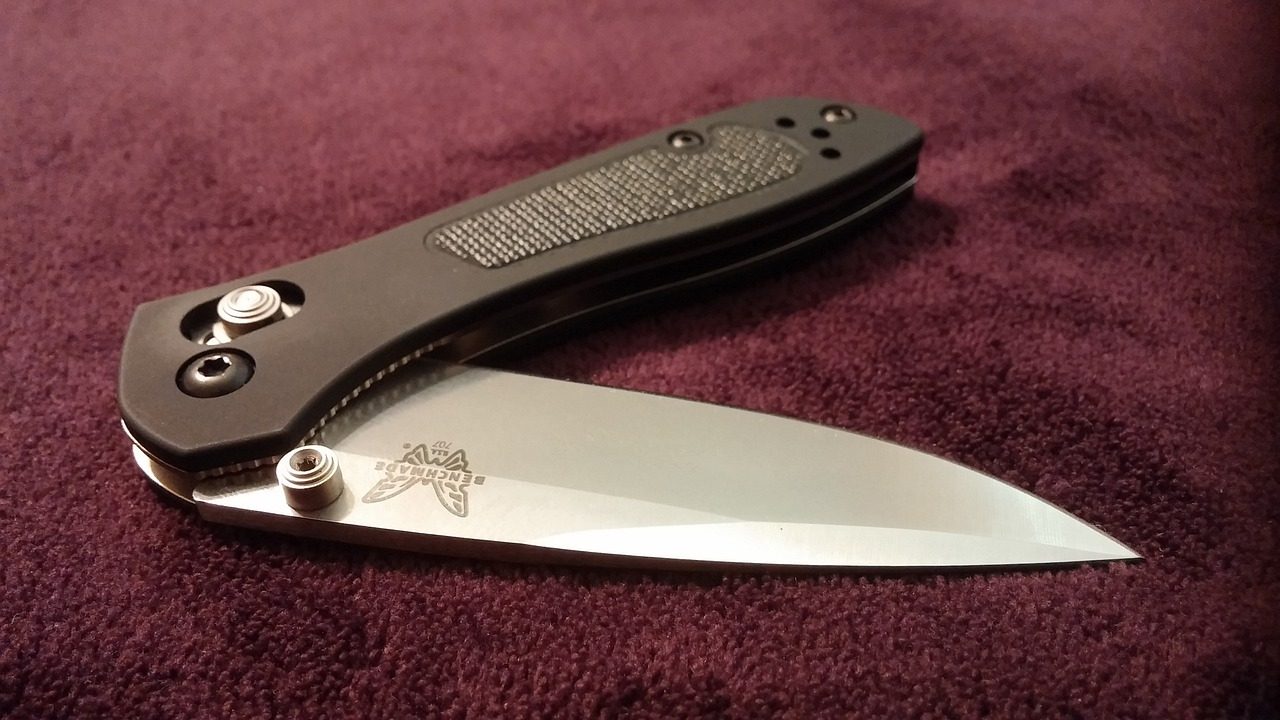
Multi-tool pocket knives, exemplified by brands like Benchmade, offer unparalleled functionality and versatility for various outdoor and everyday tasks, combining multiple tools in a compact design.
These innovative tools are designed to be a reliable companion for hikers, campers, and outdoor enthusiasts, providing a wide range of functions in a single compact package. With features such as blades, screwdrivers, scissors, and more, multi-tool pocket knives streamline tasks and enhance efficiency. Whether you’re exploring the great outdoors or tackling DIY projects at home, the convenience of having a plethora of tools at your fingertips cannot be overstated.
Folding Pocket Knives
Folding pocket knives, originating in places like Oregon City and Golden, Colorado, revolutionized the concept of portability and convenience, with modern designs incorporating advanced locking mechanisms and ergonomic handles.
Throughout history, folding pocket knives have constantly adapted to meet the needs of their users. From the simple yet effective slip joint mechanisms of early designs to the revolutionary deployment systems that can be found in contemporary models, these knives have come a long way.
The integration of high-quality materials, such as stainless steel and carbon fiber, has further increased the durability and efficiency of modern folding pocket knives. The incorporation of various safety features, such as thumb studs and blade guards, has enhanced the overall usability and user experience.
Notable Pocket Knife Brands
Several renowned brands have made their mark in the realm of pocket knives, including Victorinox, Buck Knives, Case Knives, and Spyderco, known for their quality craftsmanship and enduring heritage.
- Victorinox, a well-established Swiss company, gained widespread recognition for its iconic Swiss Army Knife, a versatile tool trusted by adventurers, professionals, and everyday users worldwide.
- Buck Knives, with a rich history dating back to the early 1900s, is renowned for its proprietary heat-treatment process that ensures blades with exceptional edge retention and strength.
- Case Knives, an American heritage brand since 1889, is celebrated for its traditional pocket knife designs and commitment to using high-quality materials.
- Spyderco, known for its innovative approach, introduced the iconic Spyderco Round Hole for easy one-handed opening, setting a new standard in pocket knife functionality.
Victorinox
Victorinox, renowned for its Swiss Army knives, played a pivotal role in providing essential tools for American soldiers during WWII, solidifying its reputation as an iconic brand synonymous with quality and innovation.
This commitment to excellence was not only acknowledged during wartime, but it continued to propel Victorinox to success long after the war ended. The company’s unwavering dedication to creating reliable, versatile, and durable knives quickly established them as the go-to choice for outdoor enthusiasts, craftsmen, and everyday users alike. The multifunctional nature of Swiss Army knives, housing various tools in a compact design, revolutionized the pocket knife industry and set a new standard of utility and convenience.
Buck Knives
Buck Knives, with origins in Idaho and California, are renowned for their heritage of craftsmanship, durability, and commitment to producing high-quality pocket knives that stand the test of time.
The roots of Buck Knives can be traced back to the early 1900s when the founder, Hoyt Buck, began crafting knives in his two-room blacksmith shop. The brand’s emphasis on quality craftsmanship has been a consistent hallmark throughout its history, with each knife meticulously handmade and inspected for precision and durability. Plus their renowned pocket knives, Buck Knives has also expanded its product line to include hunting knives, fixed-blade knives, and multi-tools, all designed with the same dedication to excellence.
Case Knives
Case Knives, produced by the W.R. Case & Sons Cutlery Co. in America, are steeped in tradition and renowned for their exquisite craftsmanship, making them sought-after collectibles among knife enthusiasts.
In the world of knife making, the legacy of Case Knives shines brightly, tracing back to the 19th century when the company was established. Adhering to time-honored techniques, each Case Knife is a testament to unparalleled quality and precision.
What sets Case Knives apart is not just their functionality but also their aesthetic appeal; their distinctive patterns and handles have often been imitated but never quite replicated. The attention to detail in every knife produced by W.R. Case & Sons Cutlery Co. is what elevates these blades to true works of art.
Spyderco
Spyderco, known for its innovative designs and ergonomic functionality, has carved a niche in the pocket knife market with distinctive blade shapes and advanced features that cater to diverse user preferences.
Spyderco pocket knives stand out not only for their functionality but also for their aesthetic appeal. The brand’s roots in Colorado are reflected in the rugged yet sleek designs that exude durability and reliability. Each knife is a testament to Spyderco’s commitment to pushing the boundaries of knife design, incorporating cutting-edge materials and technologies.
The emphasis on innovation is evident in Spyderco’s constant quest for improvement, ensuring that their knives are not only tools but also works of art. The ergonomic considerations that go into every design make Spyderco knives a joy to use, reducing strain and enhancing grip comfort for extended periods of use.
Your Next Pocket Knife Awaits at Our Collectors Knife Shop
We invite you to deepen your appreciation for pocket knives and explore our collection of folding knives. Whether you’re a novice or an avid collector, our selection at Exquisite Knives in California promises to add value to your collection.
April 6, 2022